Here's what "losing control" actually means
Let's be real. When you say you're scared of losing control during pleasure, you're not talking about thrashing around or looking silly. You're talking about something deeper: the fear that if you fully surrender to sensation, you'll stop being able to manage what happens next. Your body will respond in ways you didn't predict. A sound will escape. Tears might come. You might feel vulnerable in a way that doesn't feel safe.
That's not a flaw. That's your nervous system doing exactly what it's designed to do. It's protecting you by keeping you tethered to rational thought, even when pleasure is building.
The paradox is that this protective mechanism actually blocks better orgasms. Your brain can't simultaneously be hypervigilant and fully aroused. So you end up in a holding pattern. Pleasure rises, but never quite reaches the intensity you want, because part of you stays on high alert.
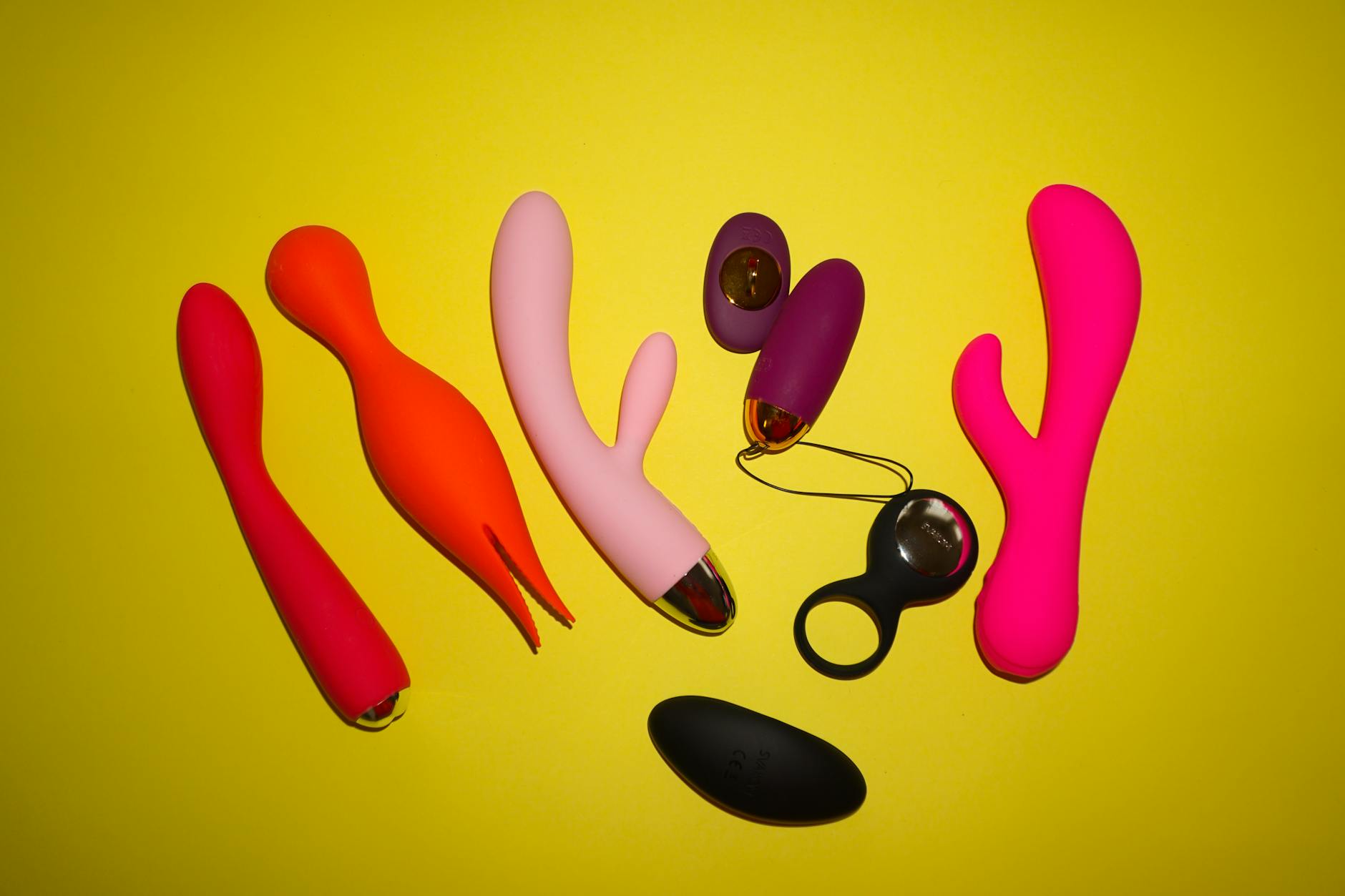
Lemon clitoral vibrators, especially the suction-based designs, work differently than traditional vibrators for this exact reason.
Why suction-based vibrators create a different kind of control
Most vibrators work through rapid oscillation. You feel dozens of buzz patterns per second, and controlling your response means moderating which pattern you choose and how you angle the device. There's a lot of active decision-making involved, which keeps your prefrontal cortex (the thinking brain) engaged. That's actually good for people who struggle with sensation anxiety, but it also means you're never fully dropping into pleasure.
Lemon suckers work through a completely different mechanism. They use gentle suction to stimulate the clitoral nerves without the rapid mechanical pulse. The sensation builds more gradually, and your body responds in a more predictable arc. This predictability is what allows your nervous system to relax its guard.
Here's the key difference: with a suction vibrator, you're not managing multiple variables at once. You're following one clear sensation. Your brain can focus on what's happening rather than on controlling what might happen.
The three stages of learning to stay present
Stage 1: Solo exploration with low intensity. Start with your lemon vibrator at the lowest setting, preferably alone. No partner, no audience, no time pressure. Spend the first session just noticing what the sensation feels like without expecting an orgasm. This sounds simple, but it's the foundation. Your nervous system needs to learn that suction stimulation doesn't trigger overwhelm. It's predictable. It's safe.
Stage 2: Building rhythm at your own pace. Once you're comfortable with the baseline sensation, gradually increase the setting. Don't jump to maximum. Spend a few sessions in the middle range, where you can feel strong sensation without intensity spiking too fast. Rhythm matters here. Let the vibrator do its work at a consistent level for 10-15 minutes. Your body begins to trust the pattern. Arousal builds more steadily, and your nervous system stays online instead of disconnecting to protect itself.
Stage 3: Recognizing the pre-orgasm threshold. This is where most people grip and tense instead of releasing. You'll feel a point where orgasm is building, and suddenly anxiety appears. Some people describe it as a tightness in the chest or a sudden urge to stop. Instead of fighting that reflex, name it. "There's the fear." Then deliberately lower your breathing and relax your shoulders. Often, that's enough. The orgasm will flow through if you stay breathed and grounded. You're not losing control. You're choosing to allow it.
What happens in your body when you stay breathed
When you're holding your breath during arousal, you're signaling danger to your vagus nerve. Your body reads breath-holding as the start of a freeze response. Blood flow reduces, muscles tighten, orgasm becomes harder to reach or feels blocked.
When you're deliberately breathing during the same experience, you're signaling safety. Your vagus nerve activates the parasympathetic response (rest-and-digest mode), which is actually the mode where the deepest pleasure happens. Your pelvic floor relaxes instead of tensing. Blood flow increases. Sensation becomes more vivid, not less.
With a lemon vibrator, the predictable suction sensation gives your mind permission to focus on breathing rather than on managing intensity. You're not surprised by a sudden pulse change. You know what to expect. That stability frees up mental resources for the work of staying present.
Using a Lem vibrator with a partner when you fear losing control
One of the reasons lemon clitoral vibrators work better for deeper connection without losing your edge is that the suction mechanism is visibly gentler and less mechanical than traditional vibrators. Your partner can see and understand what's happening. There's less mystery, which paradoxically creates more safety.
If you're worried about losing control in front of a partner, introduce them to your solo practice first. Let them watch (if you're comfortable) or simply tell them what you've learned about your pleasure patterns. "When I use this setting, I need you to stay quiet for the next 10 minutes." "When I start to tense my shoulders, that's when I'm managing fear, not building pleasure." Explicit permission and communication literally rewire what your nervous system considers safe.
Then, when your partner is involved, use the vibrator the same way you practice alone. Same breathing, same rhythm, same awareness of the tightness that shows up. The only difference is their presence. And over time, with repetition, your body learns that you can surrender to pleasure even when someone is watching. That's not losing control. That's expanding what feels safe.
The difference between overwhelm and intensity
This is critical. Overwhelming sensation is chaotic and creates anxiety. Intense sensation, when it's predictable, is actually grounding. A lemon vibrator at high setting can be incredibly intense without being overwhelming, because you chose to increase it gradually and you know you can dial it back.
Traditional vibrators sometimes create that chaotic feeling because pattern changes happen automatically or require precise hand positioning. With a suction vibrator, the sensation is cleaner. You feel what's happening. Your body doesn't interpret it as surprise. Intensity builds as your arousal builds, in sync, rather than spiking independently.
Many people who fear losing control actually want more sensation, not less. They're just terrified of the feeling of being caught off-guard by it. A Lem vibrator eliminates that surprise factor entirely.
What the research says about anxiety and arousal
The fight-or-flight response and sexual arousal use overlapping neurological pathways. That's why fear and desire can feel so similar when they're mixed. But studies on anxiety and sexual response show that predictability dramatically reduces anxiety's interference. When your body knows what comes next, the amygdala (your threat-detection brain region) quiets down. Arousal flows more naturally.
This is why people returning to pleasure after grief or loss often benefit from consistent, low-variation stimulation first. It rebuilds the nervous system's trust. A lemon vibrator's steady suction mechanism does exactly that.
Building actual control (not the fearful kind)
Here's a reframe: control doesn't mean staying tense and vigilant throughout pleasure. True control means knowing you can dial intensity up or down, knowing what your body will do in response, and feeling grounded enough to make choices in the moment. A Lem vibrator, with its intuitive intensity levels and predictable sensation profile, actually gives you more real control than white-knuckling your way through anxiety.
After a few weeks of regular practice with your lemon vibrator, you'll notice something shifts. The fear doesn't disappear, but it stops mattering. Your body has learned that sensation builds safely. Orgasms that happen under these conditions feel different. Deeper. Less fragmented. You weren't losing control all along. You were just held back by a nervous system that didn't feel sure it was safe to let go.
Now it knows.
People also ask
What's the difference between control and disconnection during sex?
Disconnection is when you leave your body entirely to avoid feeling vulnerable. Control, in the healthy sense, is when you stay present and aware while allowing pleasure to build. You're here, in your body, making choices. Disconnection is checking out. Those are opposites. A lemon clitoral vibrator keeps you present because the sensation is manageable and predictable, so you don't need to dissociate to feel safe.
Can you lose control if you're using a vibrator?
You might make sounds you didn't plan to make, or move in ways that surprise you. That's not losing control. That's your body responding authentically. True loss of control would mean you couldn't stop if you needed to. With a suction vibrator, you always have the ability to move it away or lower the setting. You're in control of the tool. Your body's responses are just evidence that the tool is working.
Why do I tense up right before orgasm?
That's usually your nervous system's final check: "Is this safe?" When tension appears, pause for 3-5 deep breaths before you keep going. You're not failing. You're giving your vagus nerve the signal that everything is okay to proceed. This gets easier with practice, especially with a predictable tool like a Lem vibrator.
Is it normal to feel scared during solo pleasure?
Completely normal. Solo pleasure removes the external validation that comes with a partner's presence. You're alone with your own body and whatever feelings come up. That vulnerability can trigger fear of loss of control. With a tool that creates safe, predictable sensation, that fear usually fades within a few sessions.
How long does it take to stop fearing the loss of control?
Most people report a significant shift within 2-3 weeks of consistent solo practice with a suction vibrator. Nervous systems are trainable. Every time you use your Lem vibrator and experience building pleasure without chaos, your brain updates its threat assessment. Over time, pleasure becomes a safer category. Patience and repetition are the ingredients.
Can a partner help me feel less afraid during pleasure?
Yes, but only if they understand what's happening. The best partners offer containment, not reassurance. "I'm here. You're safe." Not constant checking in or trying to manage your experience. Let them know you need predictability and quiet presence, not active encouragement. Once you've built some confidence solo with your lemon vibrator, having a steady partner present can actually deepen the experience.
The real end of the story
You don't lose control by letting pleasure build. You gain access to a version of yourself that your fear has kept hidden. A lemon vibrator, with its gentle, predictable suction mechanism, is the bridge. It teaches your nervous system that sensation and safety can exist together. Once your body knows that in its cells, the fear stops mattering.
That's not passivity. That's power.
Ready to start practicing? Check out how other people rebuild sexual confidence after a long pause for a broader roadmap. Or if you have questions about which Lemon Vibes tool might suit you best, get in touch.
References and sources
Polyvagal Theory and Sexual Response: Porges, S. W. (2011). The polyvagal theory: Neurophysiological foundations of emotions, attachment, communication, and self-regulation. W.W. Norton.
Anxiety and Arousal Neurological Pathways: Basson, R. (2002). A model of female sexual response that accounts for the complexity of women's sexuality. Journal of Sex & Marital Therapy, 28(4), 333-343.
Nervous System Predictability and Safety: van der Kolk, B. (2014). The Body Keeps the Score: Brain, Mind, and Body in the Healing of Trauma. Penguin.
Predictability Effects on Threat Detection: Sinha, R. (2008). Chronic stress, drug use, and vulnerability to addiction. Annals of the New York Academy of Sciences, 1141, 105-130.