The grief that takes away desire
Here's what nobody tells you: grief doesn't just break your heart. It numbs your whole body. Touch becomes uncomfortable. Your skin feels like it belongs to someone else. The idea of pleasure seems almost obscene, or at least impossible, or both.
If you've lost a partner, a parent, a child, or a significant person in your life, your nervous system has gone into protective mode. That's not weakness. That's survival. And when you're ready to come back to your body, pleasure and touch might feel foreign, even wrong.
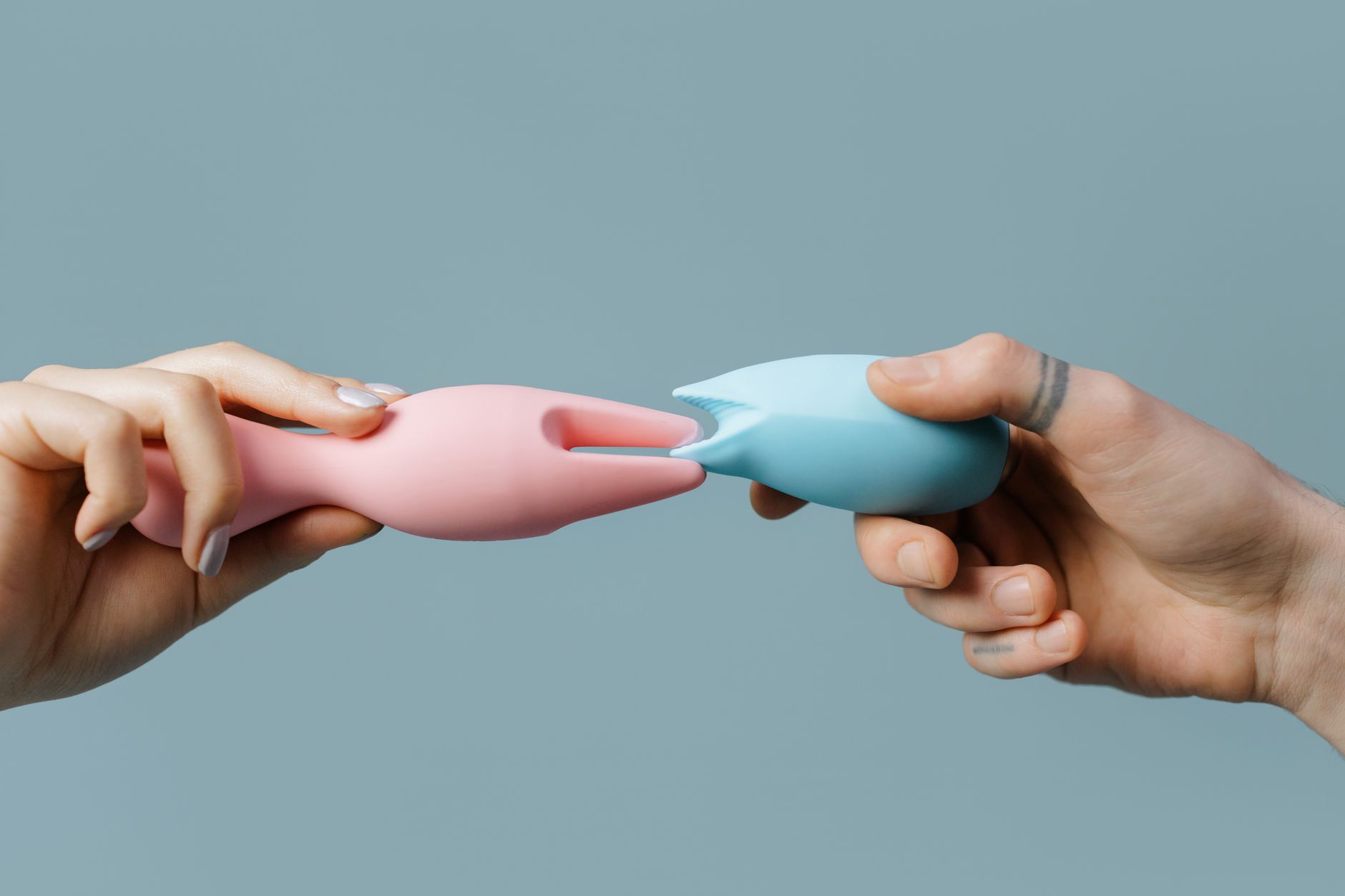
The good news: they don't have to stay that way. Many of my clients find that gentle, self-directed pleasure is one of the first tools that helps the body remember it's safe to feel good again. Clitoral vibrators like the lemon sexual toys from The Lemon Vibes can be part of that slow, private reconnection.
Why grief disconnects you from your body
Grief activates the same parasympathetic response as trauma. Your body stops prioritizing sensation and shifts into conservation mode. Blood flow withdraws from the periphery. Arousal becomes neurologically harder. Touch can feel startling or intrusive because your nervous system is in guard mode.
There's also the layer of guilt. If you've lost a partner, pleasure can feel like a betrayal. If you've lost a child, joy of any kind might feel forbidden. If it was a parent, the guilt is often entangled with permission. We inherit unspoken rules about who gets to feel good and when.
None of that is rational. But grief isn't rational. It lives in the nervous system first and the mind second.
Starting small, without pressure
If you're grieving and considering returning to self-pleasure, here's the frame that helps: this isn't about orgasms. It's about reconnection.
Start by spending time with your body fully clothed. A bath. A massage. A walk where you notice textures and air on your skin. Let your nervous system remember that sensation exists and it's safe.
When you're ready to try touch, begin outside the vulva. Hands on your inner arm. Your collarbone. Your thighs. Notice what texture feels good. Some grieving people prefer cold water or ice on the skin (it's grounding). Others need warmth. There's no rule.
The lemon clitoral vibrator from The Lemon Vibes can wait. It will still be there when you're ready.
When touch starts feeling possible again
Let's say you've spent a few weeks or months with gentle, non-genital touch. Your body is starting to remember that sensation doesn't have to mean danger. That's the moment to consider returning to clitoral vibrators.
Start with your hand first. No vibration. No tool. Just your fingers on the outer edges of the clitoris, very light pressure. Your job is not to climax. Your job is to notice: does this feel okay? Does my body want this? Can I be present with sensation without guilt?
Many grieving people can't. And that's information, not failure. It tells you your nervous system isn't quite ready. Go back to non-genital touch. There's no timeline.
When you do introduce a vibrator, use the lowest setting. The Lemon Vibes makes lemon vibrators specifically designed for sensitive tissue and gentle exploration. Start on pattern 1 or 2. You're not chasing orgasm. You're practicing presence.
Rebuilding pleasure without rushing the timeline
One of the most common mistakes I see in my practice is people trying to force themselves back into the old rhythm of pleasure. They think if they can just reach orgasm, they'll feel normal again. That's not how grief works.
Pleasure doesn't come back on a schedule. It returns in layers, and those layers don't follow logic. You might feel aroused for thirty seconds and then suddenly tearful. That's your nervous system processing. Not a sign you're doing it wrong.
If you're using lemon adult toys or any clitoral vibrator, give yourself permission to stop. Set no expectations. Some sessions will feel good and lead to orgasm. Others will feel flat or painful. Both are normal.
If pain appears during touch, slow down significantly. Grief can create pelvic floor tension that makes sensation feel sharp rather than good. That tension often releases with time and gentle, consistent touch, but not with force. If pain persists, see a pelvic floor physical therapist.
Navigating pleasure if your grief is relational
If you've lost a partner, solo pleasure can feel complicated. You might feel guilt that you're experiencing sensation without them. You might also feel angry that pleasure existed before their death and continues after.
This is where self-compassion becomes the actual tool. You're not betraying them by feeling good. You're not erasing your love by coming back to your body. These truths coexist: you miss them and you want to feel alive again. Both are real.
Some people find that giving themselves permission to experience pleasure feels like honoring the person who died. Others need to wait longer. There's no right timeline.
If you have a new partner during your grief, communicate clearly. "I'm coming back to my body slowly" is useful information. "I might need to pause" is a full sentence. A partner who cares about you will understand.
Creating the right environment for return
Your nervous system is the whole system here, not just the clitoral one. So the environment matters.
When you're ready to use a lemon vibrator or any clitoral toy, choose a time when you feel relatively safe. Lock the door. Silence your phone. Some people prefer soft light. Others need darkness. Some want music. Others want complete quiet.
Many grieving people find that scent helps. A candle. Essential oil. Fresh air from an open window. Scent bypasses the thinking brain and goes straight to memory and emotion. If a particular scent feels grounding, use it.
Have water nearby. Some people feel shaky or emotional after returning to pleasure for the first time. Hydration and slow breathing help ground you back in your body.
And here's the thing nobody mentions: it's okay if you feel nothing. Numbness is a feature of grief, not a bug. If a vibrator doesn't create sensation yet, that's not the vibrator's fault. Your nervous system is still protecting you.
The role of pleasure in moving forward
Pleasure is not healing. But reconnection to your body is part of healing. When you can feel good again, even briefly, it signals to your nervous system that you're safe. That the world still has sensation in it. That you're still alive.
This matters especially if you're at risk of depression or if grief has already pulled you into that zone. Pleasure is one of the few things that interrupts the numb, flat feeling. Not because it fixes anything. But because it reminds your body what aliveness feels like.
If you're struggling with suicidal ideation or severe depression, reach out to a therapist or your doctor before you reach for a toy. Pleasure tools are not a substitute for professional mental health support.
For everyone else: be patient with yourself. Reconnection takes time. Grief doesn't follow a script. And your body deserves gentleness as it learns to feel good again.
FAQ: Pleasure and Grief
How long after loss should I wait before using a vibrator again?
There's no universal timeline. Some people are ready in weeks. Others take years. The signal is not time passing but your body's readiness. Can you tolerate touch on your arm without flinching? Can you think about sensation without overwhelming guilt? Those are the markers. Not a calendar date.
Is it normal to feel guilty about pleasure after someone dies?
Completely normal. Guilt is one of the most common grief emotions. It doesn't mean you've done anything wrong. It means your brain is trying to make sense of survival when someone didn't. That guilt usually softens with time and, often, with professional support. Therapy can help specifically with survivor guilt.
What if I start using a lemon vibrator and feel emotional?
That's grief moving through you. Let it. Tears, anger, or sadness during or after solo pleasure is actually a sign your nervous system is beginning to process. Your body is safe enough to feel. That's progress.
Can I use a clitoral vibrator if I don't want to orgasm?
Absolutely. Use it for the sensation alone. The Lemon Vibes makes lemon sexual toys that work beautifully on low settings just for gentle stimulation. You don't need climax to benefit from reconnection.
Should I tell my therapist I'm returning to pleasure after loss?
If you have a therapist, yes. Not because it's shameful, but because it's data about your nervous system's readiness. A good therapist will affirm that self-directed pleasure is a positive sign of healing.
What if pleasure still feels impossible after a year?
That might signal depression or ongoing trauma that needs professional attention. Grief is one thing. But if pleasure feels genuinely impossible and your life feels flat across the board, talk to a doctor or therapist. Sometimes grief gets stuck and needs support to unstick.
The path back is yours alone
Grief is lonely. Returning to pleasure after loss is also lonely work. It happens in private, on your timeline, with nobody's approval but your own. And that's exactly as it should be. Your body, your pace, your permission.
If you're ready to explore this reconnection and you're looking for a tool that meets you where you are, lemon vibrators from The Lemon Vibes are designed for sensitivity and gentleness. But the real work is the breathing, the patience, and the willingness to come back to yourself. The vibrator is just a companion on that journey.
You deserve to feel good again. Not because grief is over. But because being alive includes sensation, and you're still here.