Why Lemon Vibrators Feel Different for People With Vestibulodynia
Let's be real: if you have vestibulodynia, most sex toys hurt. That's not a personal failing. That's physics meeting inflammation, and it's wildly common. The burning or sharp pain at the vestibule (the entrance to the vagina) means traditional vibrators, which rely on direct friction or pressure against sensitive tissue, become something you avoid instead of enjoy.
But here's the plot twist: air-suction clitoral vibrators like the Lemon vibrators work on a completely different principle. They don't vibrate the painful spot. They suction the clitoris, which is located above the vestibule. Different anatomy, different sensation, often a different outcome. This isn't a miracle cure, but it's a genuine workaround that changes the game for many people living with vestibulodynia.
What vestibulodynia actually is
Vestibulodynia is chronic pain in the vestibule, the area between the inner labia and the vaginal opening. Unlike vulvodynia, which affects the broader vulvar region, vestibulodynia is localized and often triggered by touch or pressure. It feels like burning, rawness, or sharp stinging, and it can make sex, tampon use, or even sitting uncomfortable.
The cause isn't always clear. Sometimes it's post-viral nerve sensitization. Sometimes it's from a yeast infection that healed but left the nerves in a state of hypersensitivity. Sometimes it's muscular tension, hormonal shifts, or a combination. The common thread: the tissues are inflamed and the nerve endings are in overdrive.
Traditional vibrators apply direct pressure or friction to this area, which means they intensify the pain signal. It's like pressing on a bruise. The vibrator isn't the problem. The wrong type of stimulation is.
How air-suction vibrators bypass the pain

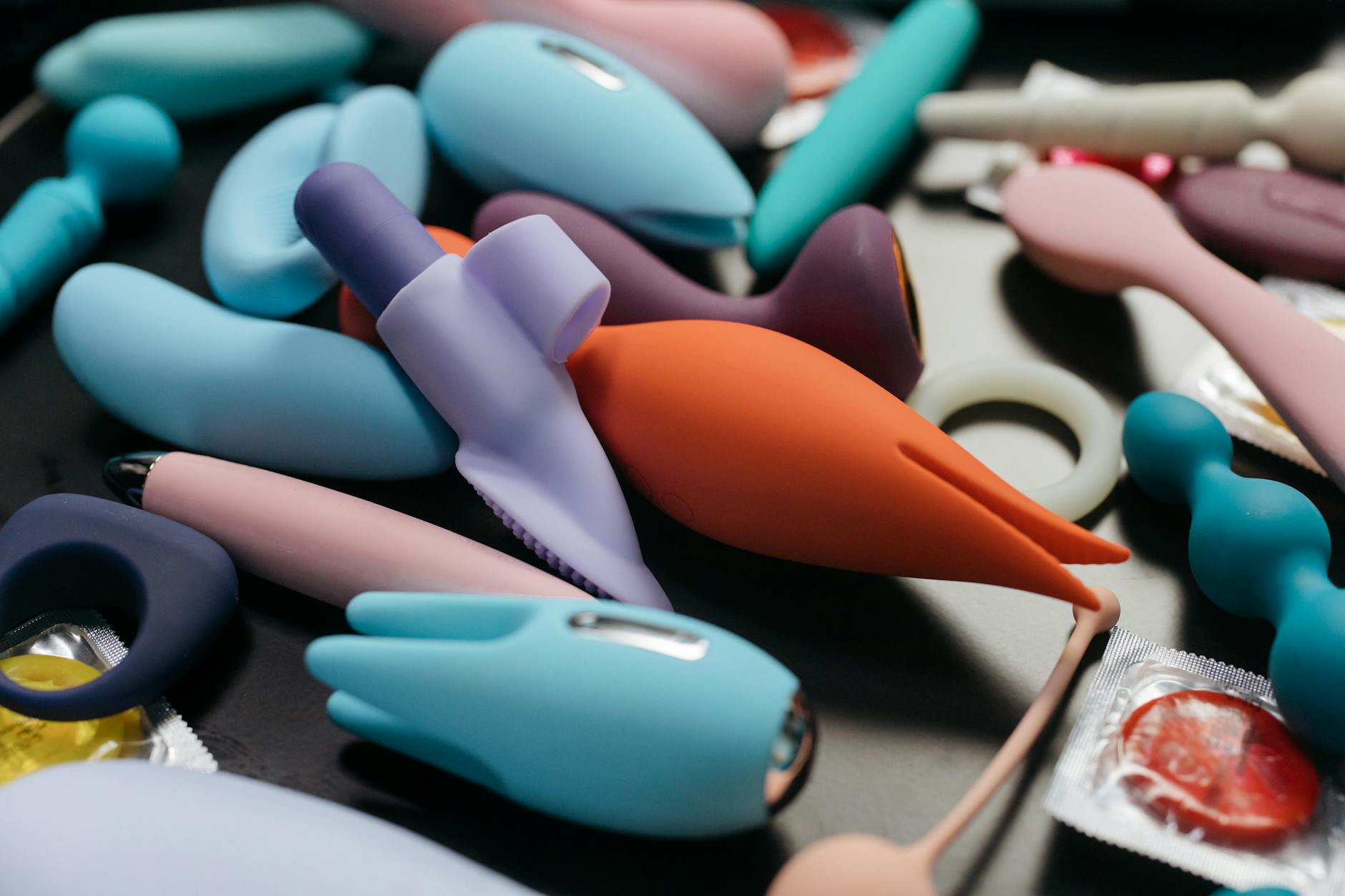
Photo by Ihsan Adityawarman on Pexels
Air-suction clitoral vibrators work by creating gentle, rhythmic suction around the clitoris itself. The clitoris is externally located, sits above the vestibule, and has a completely different nerve distribution than the vestibular tissue. When you use a lemon vibrator or similar suction toy, you're stimulating the clitoris without ever touching the area that hurts.
Think of it this way: the clitoris is roughly the size of a pea externally, but it's actually a much larger structure that extends internally. When suction activates the clitoral network, the sensations radiate away from the vestibule. You're accessing pleasure through a different neural pathway entirely.
This matters because it means people with vestibulodynia can experience arousal, orgasm, and pleasure without the pain barrier that makes other toys intolerable. It's not about avoiding pleasure. It's about finding a biomechanical pathway that works with your body instead of against it.
Why traditional vibrators make things worse
Rub-based or insertion vibrators require the toy to move against or inside the vagina. This means pressure, friction, and often some contact with the vestibular area. For someone with vestibulodynia, this isn't gentle. It's triggering the exact tissue that's already in pain.
There's also a cascade effect: pain signals make the pelvic floor tense. Tension makes the pain worse. Then anxiety kicks in about the pain returning, which tightens the muscles more. You end up in a cycle where the toy itself reinforces the problem.
Air-suction toys interrupt that cycle because they don't require penetration, pressure, or friction in the vestibular zone. The sensation is genuinely different. It's localized, external, and concentrated on tissue that can handle stimulation.
Starting with a lemon vibrator if you have vestibulodynia
First, establish your pain baseline. You don't need to use the toy during a flare. Many people with vestibulodynia have good days and bad days. Start on a day when you're comfortable and pain is low.
Second, manage expectations about the first few uses. Your body might not know how to respond to suction if you've never felt it. Some people find it amazing immediately. Others need 3-5 sessions to figure out what intensity and pattern works. That's normal and fine.
Intensity progression. Start at the lowest setting (usually pattern 1 or 2 on a lemon vibrator). Suction can feel weird at low levels. It might feel like a gentle kiss, or like nothing much at all. Stay there for 30-60 seconds, then move up one level. You're not looking for the strongest sensation. You're looking for the sweet spot where it feels good without any discomfort radiating toward the vestibule.
Lubrication. Even though suction toys don't require lubrication the way penetrative toys do, a water-based lube around the clitoral area can reduce friction between the toy cup and your skin. It makes the sensation glide instead of tug. For people with sensitive skin, this often makes a huge difference.
Duration. With vestibulodynia, more isn't better. Ten to fifteen minutes of suction is plenty. The goal isn't exhaustion. It's pleasure without pain. If you notice discomfort creeping in, stop. Your body is telling you something.
When suction hits differently for vestibulodynia bodies
Because the clitoris isn't in the inflamed zone, arousal can build without triggering the pain pathway. Many people with vestibulodynia report that orgasms feel more accessible and less guarded when using air-suction tools like lemon vibrators compared to other clitoral vibrators.
There's also a psychological shift. For years, pleasure tools meant pain. Using something that feels good without the familiar burn is genuinely groundbreaking. It rewires the brain's association between stimulation and pain, which helps with the anxiety piece too.
Honestly though, if suction still doesn't feel right for you, that's not a failure. Vestibulodynia varies wildly between people. Some folks do better with external massage (no suction, just gentle pressure well away from the vestibule). Others find that partnered manual stimulation works better than any toy. The point is finding what works for your nervous system, not forcing a tool that doesn't.
When to seek support alongside pleasure tools
Pleasure toys are not treatment for vestibulodynia. They're a workaround. Actual treatment usually involves pelvic floor physical therapy, sometimes topical medications, and rarely systemic interventions if nothing else moves the needle.
If you haven't seen a pelvic floor physical therapist who specializes in pain conditions, that's the first step before anything else. They can assess whether the pain is muscular, neurological, or inflammatory, and whether the vestibule itself needs direct attention.
If you're already working with a therapist and pleasure still triggers pain even with air-suction tools, loop that feedback into your treatment plan. It tells your provider something useful about where the sensitivity lives and how aggressive to be with treatment.
The mental side of pleasure after pain
When pain and pleasure have been tangled for a while, using even the right tool can feel psychologically risky. There's anticipatory anxiety: "Is this going to hurt?" That anxiety alone can stop arousal in its tracks.
Setting yourself up for success means removing pressure. You're not trying to have an orgasm. You're testing whether this tool feels okay. You're gathering information. Approach it like you're doing a low-stakes experiment, not performing pleasure.
If you have a partner, communicate clearly about what you're doing and why. "I'm trying a different toy to see if it works better for my body" is all they need to know. They don't need to be involved unless you want them to be. Sometimes pleasure tools work best alone, where there's zero expectation and zero audience.
People also ask
Can I use a lemon vibrator during a vestibulodynia flare?
No. If your vestibule is actively painful, even looking at toys is likely to spike anxiety. Wait for a calmer window. Your nervous system needs to downregulate before introducing any new stimulation, even external suction. Flares typically need rest, sometimes topical medication, and gentle heat. Once the acute pain settles, that's when toy exploration makes sense.
Does suction make vestibulodynia worse over time?
Not when used as described here (low-to-medium intensity, short sessions, with attention to your body's feedback). Suction doesn't apply pressure to the vestibule, so it's not aggravating the condition itself. That said, if using the toy is stressing you out or making anxiety worse, that stress can indirectly worsen pain. The tool should feel like relief, not pressure.
Can I use a lemon vibrator for penetration if I have vestibulodynia?
Not all air-suction toys are designed for internal use. The Lemon clitoral vibrator is external only. Even if a toy could go inside, insertion typically means pressure on the vestibule, which defeats the purpose. Stick with external stimulation. Internal pleasure can come later, once the vestibule heals enough to handle it, if it's something you want.
How long does it usually take for suction to feel good?
Some people feel it immediately (first session). Others need a few sessions to decode what's happening and what intensity works. Give yourself at least 3-5 dedicated tries before deciding it's not for you. Your brain and body need time to adjust to a new sensation, especially if you've spent months or years fearing touch.
Should I tell my doctor I'm using a lemon vibrator?
Yes, if you're working with a pelvic floor physical therapist or a gynecologist who specializes in pain. This information helps them understand your recovery and adjust recommendations. "I'm trying external suction stimulation as part of my self-care" is straightforward clinical language. They won't judge. They deal with pain conditions all day.
Can I combine suction with penetration, or do I have to choose?
Right now, suction only, if you have active vestibulodynia. The whole point is to avoid pressure on the vestibule. Once your pain resolves significantly (weeks or months into therapy), you might experiment with gentle penetration alongside clitoral suction if that appeals to you. But that's a conversation for later, once the acute pain has quieted.
The bigger picture
Vestibulodynia isn't a reason to give up pleasure. It's a reason to get curious about what tools and techniques actually work for your specific nervous system. Lemon vibrators and other air-suction clitoral vibrators aren't magic, but they bypass the mechanical problem that makes other toys painful. That changes everything.
If you're exploring this route, be patient with yourself. You're essentially retraining your relationship with pleasure after it's been marked by pain. That takes time. Work with a pelvic floor physical therapist. Use the toy in calm moments, with no performance pressure. Listen to what your body is actually telling you, not what you think it should be telling you.
Your pleasure matters. And it doesn't have to come with a side of burning.
Questions about what might work for your body? Reach out to our team. We're here to help you find what fits.
Sources
Pezzone, M. A., Liang, R., & Cheng, G. (2021). Myofascial pelvic pain: Definitions, etiology, diagnosis, and treatment. F1000Research, 10, 654.
Romanzi, L. J., et al. (2003). Vestibulodynia: standardization of terminology and research methodology. Current Sexual Health Reports, 5(2), 124-133.
McCool, M. E., et al. (2016). Vulvodynia: A state-of-the-art review. The Journal of Sexual Medicine, 13(8), 1202-1213.
Bauer, J., & Ewing, B. A. (2018). External mechanical stimulation and clitoral activation in pain management. Sexual and Relationship Therapy, 33(4), 391-406.