Let's talk about the side effect nobody warns you about
You start an antidepressant or anti-anxiety medication and your mood lifts. Your nervous system quiets down. Everything feels manageable again. And then your genitals go numb. It's not imagination. It's not "all in your head" (well, it is, but not how that sounds). SSRIs, SNRIs, and other psychiatric medications genuinely dampen genital sensation for a lot of people. The research shows somewhere between 40 and 60 percent of people on these meds experience some flavor of sexual dysfunction. Numbness ranks high on that list.
Here's what most doctors don't say: this side effect is often manageable. You don't have to choose between mental health and pleasure. And clitoral vibrators, especially ones designed around air suction like the Lem, can actually work around the numbness in ways that manual stimulation can't.
How antidepressants and anti-anxiety meds affect sensation
SSRIs and SNRIs work by increasing serotonin and norepinephrine availability in your nervous system. That's great for mood regulation. It's less great for sexual response, because those same neurotransmitters are involved in arousal and sensation. The medication essentially turns down the volume on your nervous system's ability to register subtle touch. That's why direct finger stimulation often feels... nothing. Or very little.
It's not that your nerve endings are broken. It's not that you've lost the capacity to orgasm. It's that the signal between your genitals and your brain got quieter. Some people describe it as touching themselves through a thick glove. Others say sensation is there but orgasm feels distant, like trying to reach something just outside their fingertips.
The frustrating part is that it can take weeks or months to see if a particular medication will have this effect. And by the time you notice it, you're usually doing pretty well mentally. That's when the negotiation starts: mental stability versus pleasure. Which matters more?
Answer: both. And you might not have to sacrifice one for the other.
Why air-suction vibrators bypass medication numbness
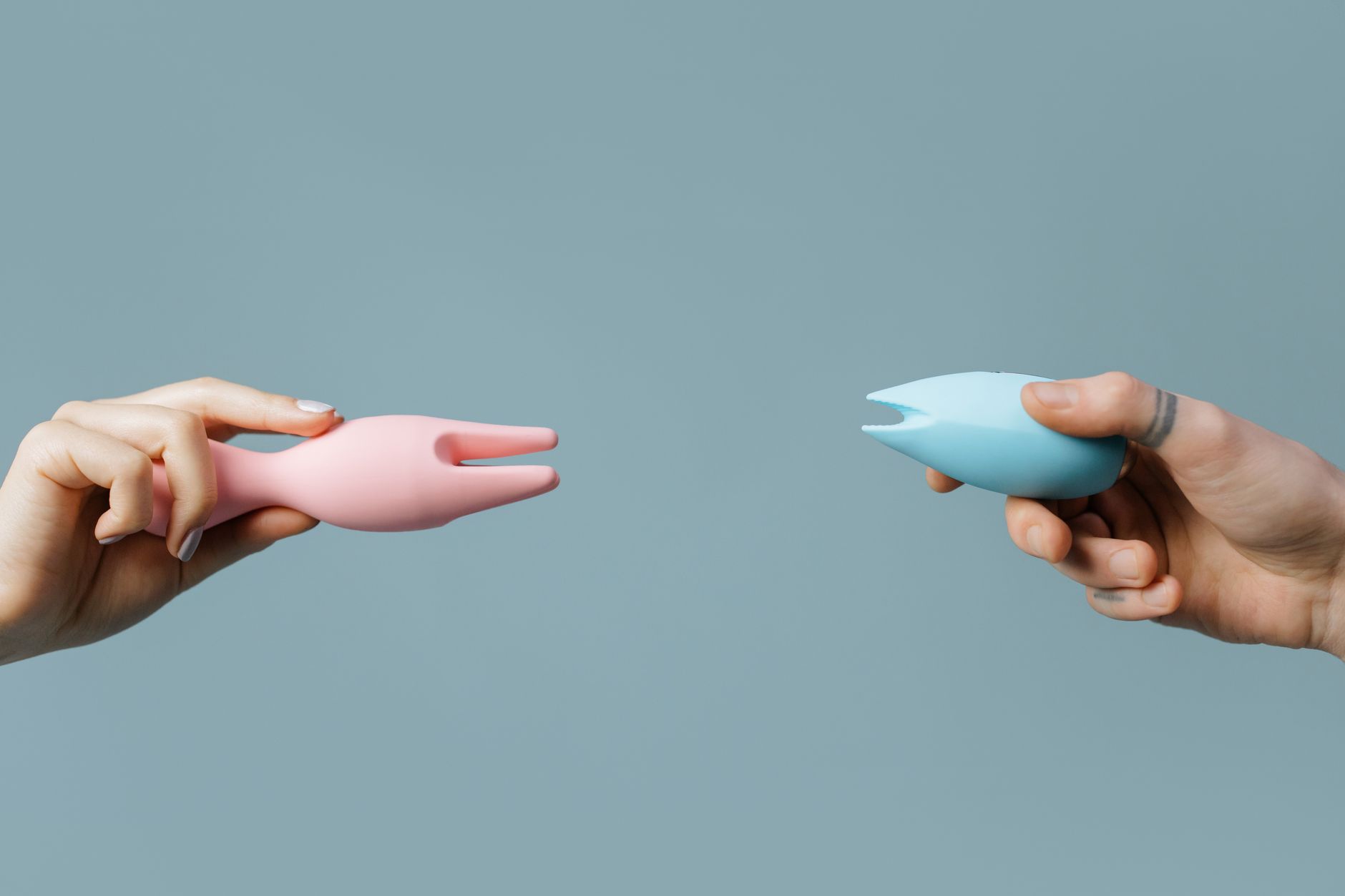
This is where clitoral vibrators designed around air suction technology become genuinely useful. Traditional vibrators work through vibration alone. If your nerves are dampened, that vibration might not register. Air-suction toys like the Lem work through a different mechanism entirely. They create a gentle rhythmic suction pattern that engages a much larger area of the clitoris, including the internal erectile tissue you can't see.
Here's what matters: suction stimulation recruits a broader network of nerve fibers and uses a different neurological pathway than vibration. It's not a magic cure. But for people experiencing medication-induced numbness, suction often cuts through that fog in a way vibration doesn't. The sensation is more diffuse, less dependent on pinpoint nerve sensitivity.
I've worked with many clients on SSRIs who said vibration alone felt like nothing, but suction woke something up. That's not anecdotal. The clitoral suction mechanism engages both surface and deep tissue, and it does so in a way that older vibrator technology simply can't replicate.
Starting with suction if you're numb
If you're experiencing medication-induced numbness and you're new to lemon sexual toys or clitoral vibrators in general, here's how to actually begin.
First, don't expect to feel it immediately. Your nervous system has been muffled. You're retraining it to interpret sensation. Start with the lowest suction setting. The Lem, for instance, has multiple intensity levels. Begin at level one. Spend 10 to 15 minutes on the lowest setting, not hunting for an orgasm but just noticing what you feel. Sensation might take time to register. That's fine.
Second, understand the difference between "I feel nothing" and "This doesn't work." Medication numbness is progressive. Some people find sensation returns over minutes. Others need multiple sessions before they feel anything at all. That's not a reason to quit. It's a reason to be patient.
Third, create a setup that removes friction. You need time, privacy, and zero pressure to perform. Numbness is demoralizing. Adding pressure makes it worse. If you have a partner, this conversation should happen separately from sex. "I'm exploring sensation again" is different from "We're trying to have sex." Keep them apart.
Layering sensation: lubrication, warmth, and buildup
One clitoral vibrator alone might not be enough if medication has dulled you significantly. Think about stacking approaches.
Lubrication matters more than most people realize. A quality water-based lubricant increases sensation not because the toy feels better, but because the glide creates more consistent contact. Your lemon clitoral vibrator works better when there's no friction interrupting the suction rhythm.
Warmth also helps. A lot of people find that spending 10 minutes under warm covers, or warming their genitals with a heating pad before they start, makes sensation register more clearly. Warmth brings blood flow to the area. More blood flow means more potential for sensation to wake up.
Buildup time is non-negotiable. With medication-induced numbness, your arousal won't happen quickly. Budget 20 to 30 minutes. Spend the first half on external sensation. Touch yourself, use the vibrator on low, breathe. Focus on anything that feels even slightly pleasurable. Your brain is learning to interpret signals again.
When to talk to your doctor about switching or adjusting
Not everyone needs to change their medication. But some people do find that switching to a different SSRI, or lowering the dose, reduces sexual side effects without sacrificing mood stabilization. This is a medical conversation, not something you should navigate alone.
Bring it up directly. Don't hint. Say: "I'm experiencing genital numbness that's affecting my sexual response. I want to know if there are options. Could we try a different medication, or would a dose adjustment be worth testing?" Some doctors will take this seriously. Others will minimize it. If your doctor dismisses sexual side effects, that's information about whether you trust them with your care.
A few alternatives that sometimes have fewer sexual side effects: Wellbutrin (bupropion) is an atypical antidepressant that often doesn't dull sensation the way SSRIs do. Some people switch to that. Buspar sometimes helps with anxiety without as much sexual numbness. These aren't magic. But they're options worth discussing if the side effects are severe enough that they're affecting your quality of life.
If you do stay on your current medication (which is totally valid if it's working for your mental health), tools like lemon vibrators and other clitoral vibrators become more central to your pleasure routine, not optional.
What if sensation still doesn't return
Sometimes medication numbness is stubborn. You've switched tools. You've given it months. You've adjusted the dose or medication. And sensation still hasn't come back. That's real, and it's frustrating.
At that point, the goal shifts from "restore sensation to where it was" to "build a pleasure practice that works with how your body is now." Some people find that they can reach orgasm at a lower intensity than before. The orgasm might feel different. It might take longer to build. But it's still there.
Others find that pleasure exists in sensation that isn't orgasm-focused. Full-body touch. The experience of focus and attention on their body. The emotional intimacy of being touched or using a toy with intentionality. That's not settling. That's expanding your definition of what pleasure includes.
The lemon clitoral vibrator, or any well-designed suction toy, can be a bridge during this transition. It's not a solution to medication-induced numbness in the sense of erasing it completely. But it's a tool that often works when other approaches don't, because it engages your body differently.
The bigger picture: mental health comes first
I want to be clear about something: if your antidepressant or anti-anxiety medication is working for your mental health, sexual numbness is not a reason to stop taking it. Mental stability matters. Pleasure matters. But you can't rebuild pleasure when your nervous system is in crisis.
The goal is to keep the medication that's keeping you stable, and then rebuild pleasure within that reality. That might mean using lemon adult toys more intentionally. It might mean longer warm-up times. It might mean expanding your definition of what pleasure looks like. All of those are viable paths forward.
Your mental health deserves treatment. Your pleasure deserves attention. These aren't competing values. They're both part of a full life, and they can coexist.
People also ask
Does sensation always come back once you adjust your medication?
Not always. Some people notice improvement within weeks of a dose adjustment or medication switch. Others find it takes months. And some people stay on their original medication because the mental health benefit outweighs the sexual side effect, which is a completely valid choice. Numbness doesn't always reverse. But options for rebuilding pleasure do exist.
Can you use clitoral vibrators while on SSRIs?
Absolutely. In fact, many people find clitoral vibrators more helpful while on SSRIs specifically because sensation is dampened. Air-suction vibrators like the Lem can sometimes cut through that dampening more effectively than vibration alone. Start low, be patient, and give yourself several sessions before deciding if it's working.
Is medication-induced sexual numbness permanent?
For most people, no. When you switch medications or adjust doses, sensation usually returns within a few weeks to a few months. Some people notice improvement after just a few days. For others, it takes patience. A small percentage of people experience long-term changes in sexual response even after stopping the medication, but that's not the typical pattern.
Should I tell my partner about medication-induced numbness?
If you have a partner you're intimate with, yes. This conversation removes shame and creates space for honesty. You're not broken. You're experiencing a known side effect that's affecting your sexual response. Your partner knowing that helps them understand that this isn't about them, and it opens the door to different kinds of intimacy while you're figuring out solutions.
What's the difference between numbness and low libido from medication?
They're related but different. Low libido means you don't feel desire or interest in sex. Numbness means you want to have sex, but you can't feel the stimulation. You might experience both, or just one. The solutions are slightly different. If it's purely a desire issue, talking to your doctor about adjusting medication is the first step. If it's numbness, clitoral vibrators and sensation-focused exploration can help while you're on the medication.
How long does it usually take to feel sensation again with a clitoral vibrator if you're on antidepressants?
It varies widely. Some people notice a difference within the first few sessions. Others need four to six weeks of consistent, low-pressure exploration before sensation registers clearly. The key is consistency without expectation. You're not training yourself to have an orgasm. You're reacquainting your nervous system with the ability to feel. That takes time.
Moving forward with pleasure as part of your care
Medication-induced numbness is one of those side effects that doctors acknowledge exists but rarely know how to help you manage. That leaves you figuring it out alone, which is exhausting. The good news is that you have options. Talking to your doctor about medication adjustments is one. Exploring tools like lemon clitoral vibrators and other approaches is another. And reframing what pleasure can look like while you're on medication is a third.
Your mental health matters. Your pleasure also matters. You're not choosing between them. You're building a life where both can exist, which sometimes means being patient, creative, and willing to try new approaches. That's not compromise. That's wisdom.