
Here's what nobody says out loud
You're always the one reaching over. You're always the one suggesting it. You're always the one wondering if tonight's the night, and by the time they get home, you've already run through seventeen different scenarios in your head about whether it's going to happen. It's exhausting. It's also, weirdly, lonely in a way that has nothing to do with being alone.
When your partner avoids initiating sex, it's rarely about you. But the burden of always being the pursuer lands entirely on you. The good news is that reclaiming your pleasure on your own terms doesn't just feel better physically. It changes the whole dynamic.
Why partners avoid initiating (and it's usually not what you think)
Most people assume avoidance means disinterest. That's only sometimes true. More often, it's anxiety. Your partner might be afraid of rejection. They might be unsure of how to ask. They might have internalized shame around wanting sex, especially if they grew up in a restrictive environment. They might be overwhelmed, depressed, or carrying unspoken resentment that's killed their spontaneous desire. Or they might simply have a responsive libido, meaning they don't feel the urge to initiate, but they're interested once things get started.
None of that is your problem to solve by working harder or becoming more attractive or trying a different approach.
The permission that lemon vibrators actually give you
Let's be direct. Lemon vibrators are not a band-aid for a partner who won't show up. They're not a substitute for a conversation you need to have. But they are a catalyst for reclaiming something you've been putting on hold. When you start using a lemon clitoral vibrator for your own pleasure, independent of what your partner is or isn't doing, something shifts.
You stop waiting. You stop monitoring their mood to see if tonight might be the night. You stop calibrating your energy around their availability. And honestly, that shift is noticeable. Partners often respond to it. When you're no longer desperate for them to initiate, when you're actively taking pleasure for yourself, the dynamic changes. You're not pursuing anymore. You're choosing.
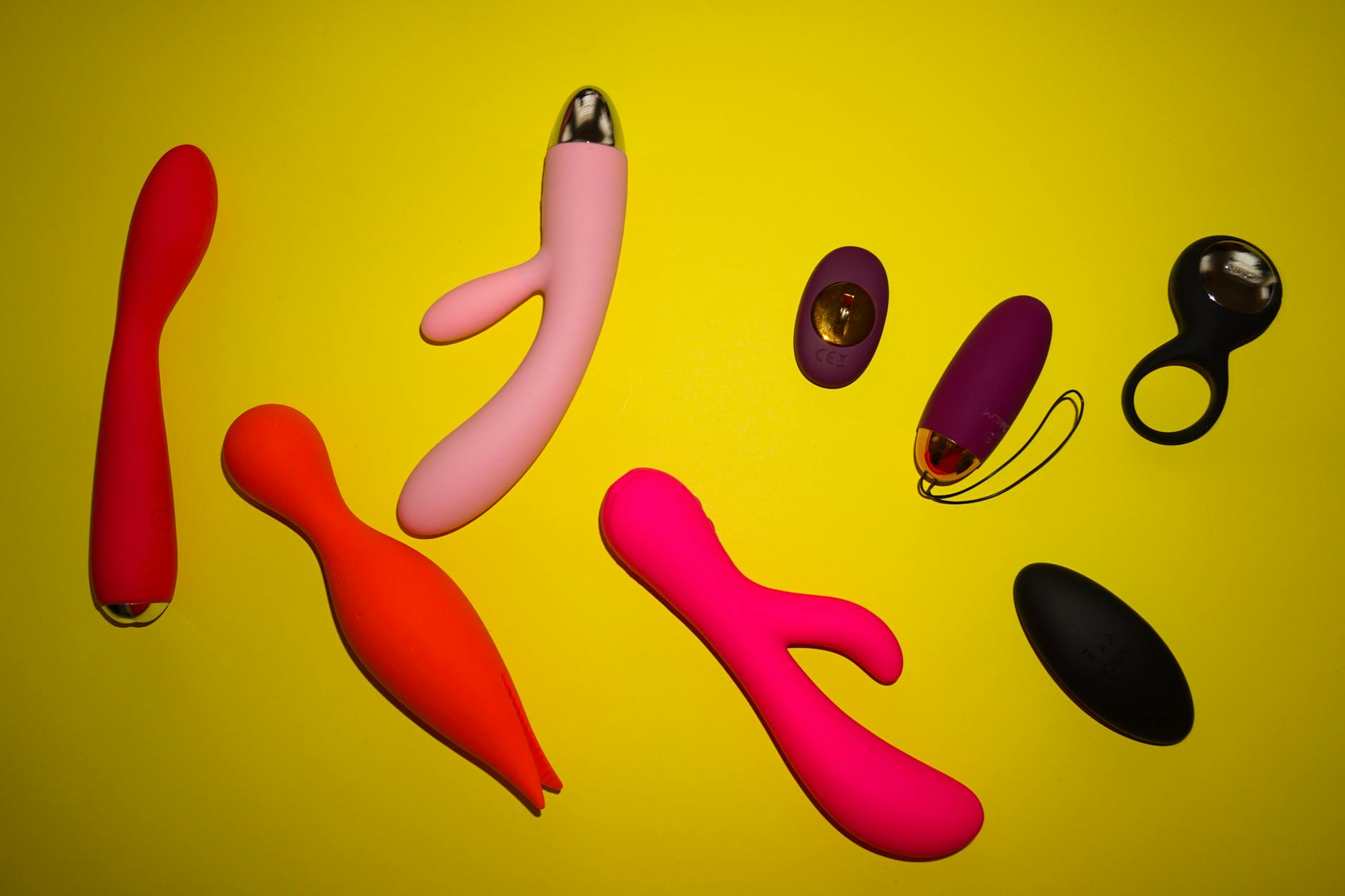
Photo by DRT.fm on Pexels
What lemon sexual toys do for sensation when you're touch-starved
When your partner isn't initiating, you're probably touch-starved. Your body is literally hungry for stimulation, and after months or years of being the one who asks, that hunger can feel desperate. Lemon adult toys work because they deliver consistent, targeted sensation without requiring negotiation or vulnerability.
A lemon clitoral vibrator like the Lemon gives you pleasure on your schedule. No waiting. No performance. No reading their face to see if they're interested. You decide the intensity. You decide how long. You decide whether you want one orgasm or four. That autonomy is healing in ways that go beyond the physical sensation.
How to use a lemon sucker vibrator to reclaim your body
Start by setting a realistic expectation. You're not using lemon sexual toys to fix your relationship. You're using them to remember what your body feels like when you're in charge of the experience.
Begin with lower intensity patterns. If you've been touch-starved or anxious about sex, your nervous system might need time to reset. Start at pattern 1 or 2 on your Lemon and let your body guide how quickly you move up. Some people skip the rush and stay with gentle suction the whole time. That's valid.
Give yourself at least 15 to 20 minutes without distractions. Phone off. Door locked. No mental rehearsal of what you should be feeling or how this should go. Just sensation. Just what feels good.
After two or three weeks of regular solo use, your baseline pleasure will shift. You'll feel less desperate. Less resentful. Less trapped in the waiting pattern that's been draining you.
The conversation you need to have (and when to have it)
Here's where it gets real. Using a lemon vibrator solo is a huge step. But it's not a substitute for actually talking to your partner about why they don't initiate and what that's costing you both.
Don't have this conversation in the bedroom. Don't have it when you're frustrated or horny. Have it when you're calm and they're calm. Use "I" language. "When I always initiate, I feel rejected and exhausted" is different from "You never initiate and it makes me feel like you don't want me." One is about your experience. The other is accusatory.
Asking why they don't initiate sometimes opens doors. "Is it fear of rejection? Anxiety about performance? Do you have a responsive libido and need me to help you get in the mood?" Knowing the actual reason matters because the solution is different in each case.
If it's anxiety, reassurance and explicit permission help. If it's resentment, there's probably something else going on in the relationship that needs attention. If it's responsive libido, you might agree that you initiate sometimes and they initiate sometimes, meeting in the middle. How to Reconnect Sexually With Your Partner After Years of Routine goes deeper into these dynamics.
Invitation versus burden (and why the distinction matters)
Here's a nuance a lot of relationship advice misses. There's a difference between inviting your partner into pleasure and burdening them with it. When you use a lemon clitoral vibrator solo first, you're doing something powerful. You're removing desperation from the invitation. You're inviting from a place of fullness instead of hunger.
Some partners respond by wanting to join in. Some want to watch. Some want to initiate their own thing after seeing you take care of yourself. All of those are good. What's not good is pretending this dynamic doesn't exist or hoping sex will improve by doing exactly what hasn't worked.
When to consider whether the relationship itself is the problem
I need to be clear here. A partner who refuses to engage with you about sex, who shuts down the conversation, who shows zero interest in your pleasure or their own, is giving you information. A vibrator can help you feel better. It cannot make a disconnect disappear if your partner is actively avoiding addressing it.
If you've had the conversation, been clear about what you need, and nothing changes, that's data. You can't fix someone else's avoidance. You can only decide what you're willing to accept. How to Use Lemon Vibrators When You Feel Disconnected From Your Body explores this territory too.
Making space for their desire to emerge
One unexpected thing happens when you stop pursuing. Their desire sometimes emerges naturally. Not always. But often.
When you're taking your own pleasure seriously, you're less available for their avoidance. You're not sitting in bed at night hoping they'll touch you. You're sitting in bed feeling satisfied because you took care of yourself. That changes how they relate to you. Suddenly they're not rejecting you. Suddenly there's nothing to reject. You've already had your experience.
Some partners find that incredibly hot. They see you as autonomous and confident instead of needy. That shift alone can reignite desire. It won't work if they're fundamentally uninterested in you, but if they're just anxious or stuck in a pattern, it often does.

Photo by cottonbro studio on Pexels
Building a sustainable rhythm with a partner who needs help initiating
If your partner has responsive desire and genuinely wants to be more present sexually, you can work together. Some couples set a standing date. Friday nights, or whatever day works. No pressure, but it's on the calendar. Others agree that one person initiates one week, the other initiates the next.
The point is intentionality without obligation. Your partner isn't performing for you. You're not waiting for them to want you. You're both choosing a time to reconnect. Using lemon vibrators in that context feels different too. It's not a workaround. It's part of your shared pleasure.
If they need you to help them get in the mood, that's okay. "Let's spend 10 minutes touching and see where it goes" is very different from "Why don't you ever want me." How to Use Lemon Vibrators When Your Partner Rushes Through Foreplay covers this dynamic in depth.
FAQ: Partners who avoid initiating and what lemon vibrators actually change
Why does my partner never initiate if they love me?
Love and desire are separate systems. Someone can love you deeply and still have a responsive libido, anxiety about rejection, shame around sexuality, depression, or unresolved resentment. None of those are about you. The issue is that you've absorbed the entire responsibility for initiating, which is unsustainable. Using a lemon vibrator for yourself removes that burden.
Does using a lemon clitoral vibrator make partners less interested?
Actually the opposite often happens. When you stop being the pursuer, the dynamic shifts. Partners sometimes become more interested when they're not dealing with someone who's desperate for them to want them. But the point isn't to manipulate them into desire. The point is to take care of yourself.
Should I tell my partner I'm using a lemon sucker vibrator?
That depends on your relationship and comfort level. Some couples benefit from transparency. Others prefer privacy around solo pleasure. There's no universal right answer. What matters is that you're not hiding shame. You're either sharing something beautiful or protecting your own space. Either is valid.
How do I bring up that I need them to initiate more without sounding needy?
Frame it as a conversation about both of your needs, not a complaint. "I've noticed I always initiate, and that's been hard on me. I'd love to feel desired too. Can we talk about why that might be happening?" This is vulnerable but not accusatory. It gives them space to explain instead of defending.
Can lemon sexual toys replace a partner who won't show up?
No. A vibrator can give you pleasure and help you feel autonomous. It cannot replace intimacy, connection, or a partner who cares about your experience. If your partner is fundamentally unavailable, that's a relationship issue, not a vibrator issue.
What if my partner gets upset that I'm using a lemon vibrator?
That's information. A secure partner wants you to feel good. If they're upset about your pleasure, that's about their insecurity, not about you doing anything wrong. You deserve to enjoy your body. If they can't handle that, that's a conversation about their stuff, not your responsibility.
What actually changes
You stop waiting. Your body stops being a thing that needs to be wanted and becomes a thing you want for yourself. The dynamic shifts from "Why don't you desire me?" to "I desire myself, and I'm inviting you." That shift is enormous. It's not a band-aid. It's an actual reclamation of your power.
Your partner might respond. They might not. But either way, you'll know what you're dealing with. That clarity is worth more than another year of waiting.