Let's name the thing that nobody talks about
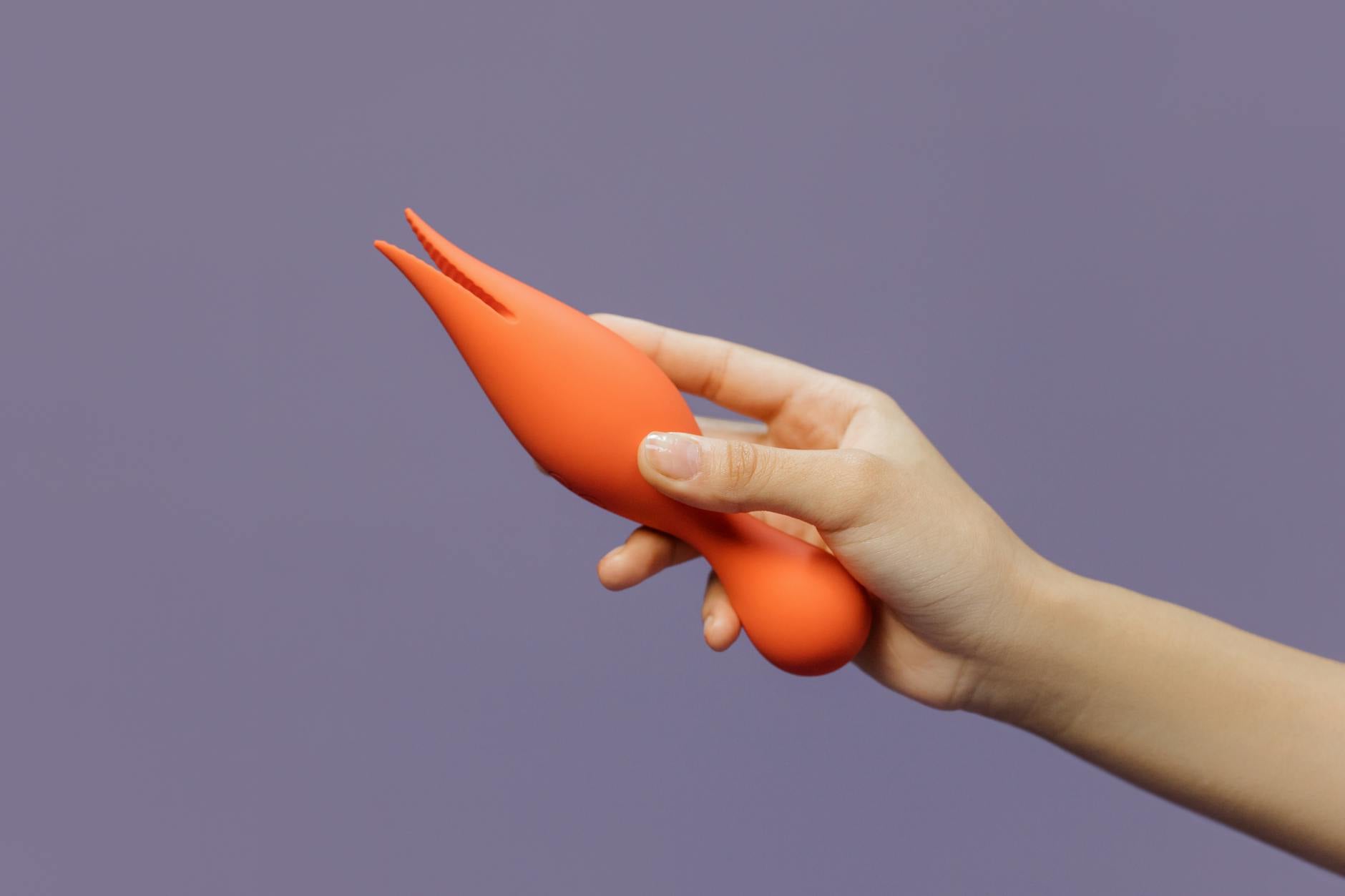
You can want an orgasm without wanting emotional intimacy. You can crave physical pleasure while feeling completely ambivalent about a partner's presence. And you can be in a relationship, or out of one, and still discover that right now, in this season of your life, solo pleasure with a tool like a lemon clitoral vibrator is exactly what serves you.
This isn't a problem to fix. It's information about what your body wants.
Why this matters more than you think
Most advice about pleasure assumes a spectrum that goes: solo exploration, then partnered sex, then presumably satisfaction. But that's not how desire actually works. People get tired of partnership. People need breaks from emotional labor. People cycle between wanting connection and wanting pure, uncomplicated sensation. And some of us just prefer our own company.
What's changed is access. A decade ago, admitting you didn't want emotional closeness during sex was treated as a failure. Now, having the right tool, like a lemon vibrator, means you can get excellent pleasure without needing anything from anyone else. That's not deprivation. That's freedom.
The physical setup that actually works
If you're using a lemon clitoral vibrator specifically for solo sensation without the emotional labor of managing someone else's experience, here's what changes:
You control the entire rhythm. No compromise on pressure, speed, or pattern. Most people find they prefer lemon vibrators when they're not negotiating sensations with a partner. A suction-based vibrator like the Lem lets you stay in your own experience without reading anyone else's response.
You can take your time. No performance pressure. No internal clock. When arousal takes longer to build, that's just information about your body, not a problem to solve. You can spend 45 minutes on sensation, or 10. Your pace is the only pace that matters.
Positioning is all about you. You can lie exactly as you want, move exactly as you want, and change positions mid-session without apologizing. Your comfort is the only thing in the room.
Building a solo practice that sticks
There's a difference between having a vibrator and actually using it consistently. Here's how I see people move from occasional use to a real practice:
First, decide what solo pleasure actually means to you. Is it an escape hatch from a relationship that's become emotionally draining? A way to reconnect with your body after months of being touched out? A break from the mental load of managing someone else's needs? Each of these has a different flavor, and naming it matters.
Second, create actual conditions. Locked door. Phone in another room. Time that isn't squeezed between other obligations. This isn't luxury. It's the difference between having a device and actually using it.
Third, move past the pressure to climax. Solo pleasure doesn't require an ending. Plenty of people find that the best sessions are ones where they stop when the sensation is good, not when they've crossed some finish line. A lemon vibrator is good at subtle pleasure just as much as it is at intense sensation.
The nervous system piece nobody mentions
When you're not managing a partner's arousal, your nervous system can actually regulate itself. You're not scanning for their pleasure. You're not holding space for their needs. Your brain doesn't have the additional work of managing intimacy.
This is why some people find that solo pleasure with a vibrator is wildly different from partnered sex, even if the physical sensation is nearly identical. The cognitive load drops. Your parasympathetic nervous system can actually activate, instead of staying half-alert.
If you've been feeling disconnected from your body, this kind of solo work often rewires that faster than almost anything else. Because there's nobody to perform for. There's just you and sensation.
What changes about intensity
Most people find they can handle more intense sensation when they're solo. There's no part of you managing someone else's comfort. A lemon clitoral vibrator, which works through gentle suction rather than direct vibration, is excellent for this because you can layer intensity without it ever feeling aggressive. You control whether this is sustained pleasure or building toward something stronger.
When this is actually a relationship dynamic
Sometimes people in partnerships discover they want more solo pleasure than connected sex. This is worth saying clearly to yourself: that's possible. It's also worth knowing whether this is a temporary phase or a shift in what you actually want. The two require different conversations.
If you're in a relationship where emotional intimacy has become strained, solo pleasure isn't a substitute for the conversation you need to have. But it can be part of your self-care while you figure out what that conversation looks like.
The confidence piece
Lots of people feel weird about solo pleasure that isn't about maintenance, stress relief, or "self care." It's just pleasure for its own sake. No nutritional value. No emoji-justified reason. Just: you want to feel good, so you do the thing that makes you feel good.
That's allowed. That's more than allowed. That's your baseline.
Practical tips for your lemon vibrator practice
If you're building a real solo routine, these four things help almost everyone:
- Start with pattern 1 or 2. Let your body find what it wants, not what you think should feel good. You can always build.
- Use lubrication even when you don't think you need it. A little water-based lube changes the sensation from "good" to "actually incredible." Your tissue quality changes when you're solo and relaxed.
- Set a loose time boundary. Not a hard stop. Just: "I'm giving myself 30 minutes." That frame actually helps most people go deeper into sensation instead of clock-watching.
- Let it be imperfect. Some sessions are incredible. Some are just pleasant. Some are fine. All of them count.
FAQ: Pleasure without connection
Is solo pleasure okay if I'm in a relationship?
Yes. Many people in long-term partnerships have robust solo practices. Your pleasure doesn't belong to your partner. This is separate from partnered sex, not a threat to it.
What if I don't orgasm during solo sessions?
That's completely normal. Orgasm is one possible outcome, not the goal. If you're enjoying the sensation and your body feels good, you're winning.
Can I use a lemon clitoral vibrator if I don't want much sensation?
Absolutely. Start on the lowest patterns and treat it as a way to explore gentle pleasure. You're not required to go intense.
How do I know if wanting solo pleasure instead of partnered sex is temporary or permanent?
Time will tell. Try tracking it for a few weeks without judgment. Does your preference shift? Or is it consistent? No answer is wrong. You're just gathering information about yourself.
Is there a best vibrator if I only want solo use?
A lemon clitoral vibrator works exceptionally well solo because the suction design gives you nuance. You can be precise about what you want, which matters more when you're not managing a partner's experience.
What if my partner feels threatened by my solo practice?
That's their insecurity to work through, possibly with a therapist. Your body is not a shared resource. Your pleasure is not their job or their right to control. Solo pleasure is non-negotiable self-care.
You don't need a reason for your pleasure beyond "my body wants this right now." That's actually the whole point. When you take away the emotional negotiation, the performance pressure, the management of someone else's needs, what's left is clarity about what you actually want. A good lemon vibrator is just the tool that lets you find out.