Let's be honest about what atrophy really changes
Vulvovaginal atrophy (VVA) is estrogen-dependent tissue getting thinner. That's the clinical fact. What matters more is this: thinner tissue doesn't mean less pleasure, but it does mean your approach to pleasure has to shift. The nerves are still there. The clitoris is still there. The capacity for orgasm is absolutely intact. What changes is friction tolerance and how quickly sensation builds.
Most people with VVA hear "use more lube" and call it advice. That's incomplete. The real work is understanding how lemon clitoral vibrators behave differently on atrophied tissue, and why suction-based toys like The Lem often outperform traditional vibration for this specific situation.
How vulvovaginal atrophy changes sensation
Estrogen keeps vaginal and vulvar tissue plump, elastic, and well-lubricated. When tissue thins, three things happen physiologically.
First, the outer layer of skin becomes more fragile. This doesn't mean you'll tear from normal touch, but it does mean direct, intense friction can feel raw or uncomfortable. Second, natural lubrication drops. This is not laziness or low desire. It's biology. Your body is producing less fluid because there's less tissue thickness to hold moisture. Third, nerve density shifts slightly, which changes how quickly sensations register. Many people report that arousal builds more slowly and feels more diffuse.
Here's what stays exactly the same: clitoral nerve endings don't disappear. The brain's pleasure pathways don't change. Orgasm capacity remains intact, often intensely so.
Why lemon vibrators work well with atrophy
Lemon suction vibrators like The Lem use air-pulse technology rather than traditional vibration. This matters for atrophied tissue because suction stimulates without the mechanical friction that can irritate sensitive, thinner skin.
When you use a standard bullet vibrator on atrophied tissue, the side-to-side friction motion can feel scratchy or overwhelming. The sensation builds quickly but often peaks into discomfort. Suction toys work differently. They create a gentle pulling sensation that stimulates the clitoral complex without the same direct pressure. For many people with VVA, this feels less invasive and more pleasurable.
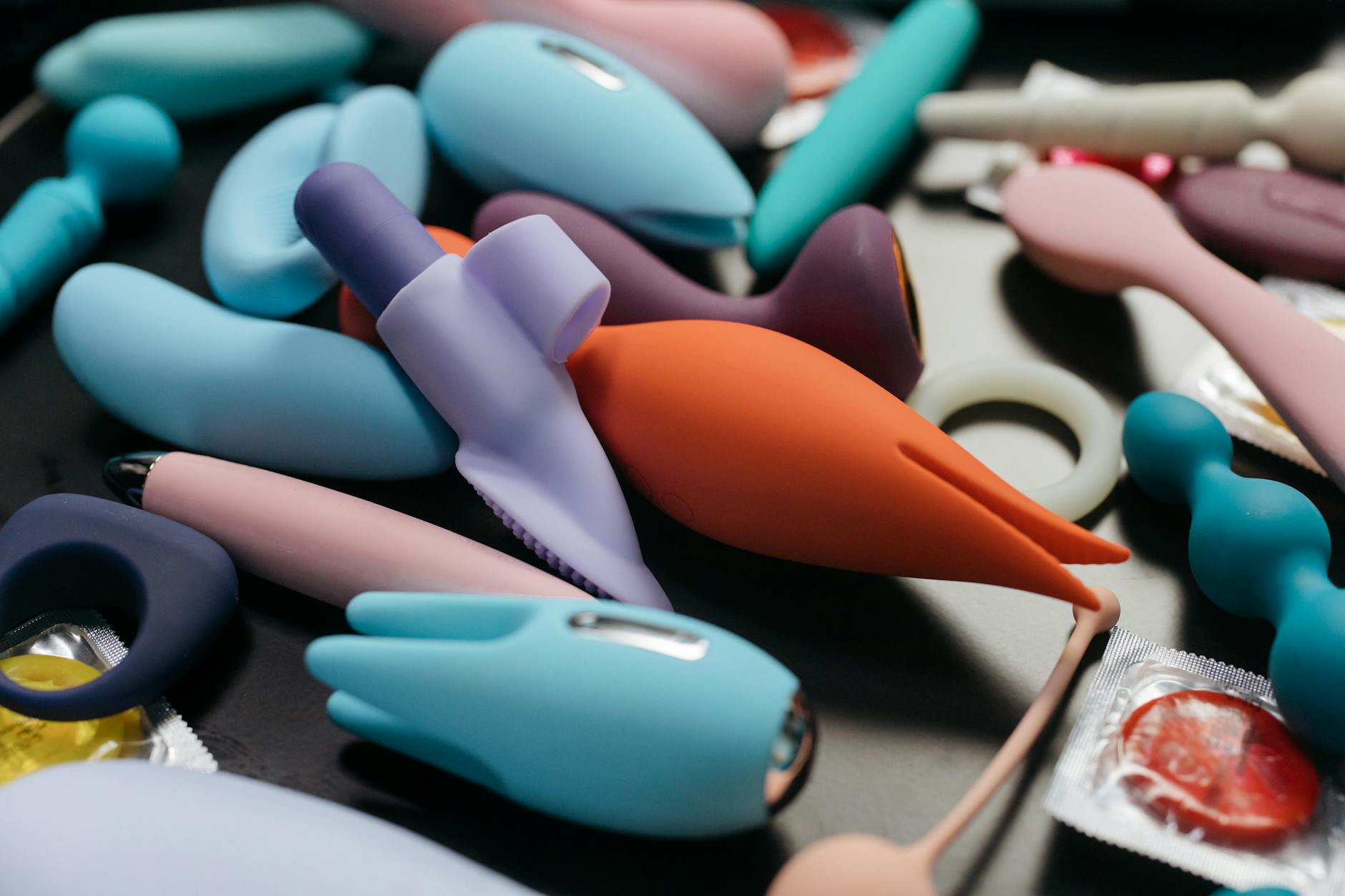
Lemon clitoral vibrators also tend to have softer silicone and broader contact surfaces than traditional vibrators, which distributes pressure more evenly across sensitive areas. This is not accidental. The design compensates for what atrophied tissue needs: gentleness without sacrificing sensation.
The warm-up protocol that actually matters
Arrousal typically takes longer with VVA. Budget 20-30 minutes instead of 5-10. This isn't about boredom or low desire. It's about giving tissue time to respond to stimulation and natural lubrication to build, even if it's minimal.
Start with non-genital touch. Breasts, neck, inner thighs, everywhere except the vulva for the first 10-15 minutes. This activates the nervous system and primes blood flow to the genitals. Then introduce external touch on the vulva with fingers or a wand, using your own lubrication or a slick water-based lube.
Only then introduce your lemon vibrator, and start at the lowest setting. With air-pulse toys, pattern 1 or 2 is usually the entry point. Let sensation build gradually. Many people find they reach their best orgasms when they've had 25-30 minutes of total warm-up time. Rushing this defeats the purpose.
The lubrication reality
This is not optional. Water-based lube is your friend here, and the best ones are the slickest. Look for glycerin-free formulas if you're prone to yeast infections, and avoid anything that dries quickly.
Apply lube to The Lem, not just to your body. Wet silicone on wet tissue creates the glide that atrophied skin needs. You might go through more lube than someone without atrophy. That's normal. Your tissue isn't broken; it just needs support.
Some people use coconut oil (if avoiding yeast concerns isn't a priority) because it feels richer and stays slick longer than water-based options. Silicone lube works too, but avoid it if you're using silicone toys, as it can degrade the material over time.
How to adjust intensity safely
Start low. The Lem offers multiple intensity levels and patterns. Resist the urge to jump to high settings. Instead, spend 5-10 minutes at each level, even if you're tempted to escalate. Atrophied tissue needs time to acclimate, and rushing intensity often leads to soreness afterward.
Many people with VVA find that moderate-intensity suction feels more satisfying than high intensity. The sensation is cleaner, less overwhelming. High settings sometimes feel like too much sensation on top of thin tissue, especially early in the process.
If you experience any burning, stinging, or sharp pain, stop immediately. Mild pressure or a mild ache is sometimes normal as tissue adjusts, but pain is your body saying no. Wait a day or two and try again with more lube and lower intensity.
When to bring a partner into this
If you're partnered, VVA is a two-person conversation, not a one-person problem. Explain the tissue changes, the sensation shifts, and why you're using a lemon vibrator. This is not about him or her feeling inadequate. It's about what your body needs right now.
Many partners are relieved to have a concrete tool and a clear framework. "I need more warm-up time and a lemon vibrator to reach orgasm comfortably" is infinitely clearer than "something feels different and I don't know why."
You might also ask your partner to handle the warm-up phase while you use the lemon vibrator for the final push toward orgasm. Some people find partnered warm-up plus solo toy use feels better than either alone.
Beyond the toy: when to see a doctor
If pain is severe or lasts beyond a few days after pleasure, book a gynecology appointment. Genitourinary syndrome of menopause, the clinical name for VVA, is highly treatable. Topical estrogen creams, systemic hormone therapy, or vaginal moisturizers can help significantly within weeks.
A good provider can also rule out other causes of discomfort: contact dermatitis, infections, or other conditions that mimic atrophy but need different treatment.
There's no shame in asking for help. Your provider has heard this conversation before, and modern gynecology has moved past the "you'll just have to accept it" mentality.
The waiting period between sessions
Let at least 24 hours pass between intense pleasure sessions if you're experiencing any soreness. Atrophied tissue heals slower and needs rest. Some people find that every other day feels better than daily. Listen to your body, not a schedule.
Many people also find that consistent use of water-based vaginal moisturizers (separate from lube) between pleasure sessions helps tissue resilience. Products like Hyalo Gyn or Hyalogic applied every few days can improve comfort significantly.
The emotional piece
VVA often arrives with a story: menopause, aging, medical treatment, hormonal shifts. The temptation is to assume atrophy means the end of pleasurable sex. It doesn't. Many people discover their best orgasms after learning what atrophied tissue actually needs.
The shift requires patience and communication, both with your body and your partner. This is not a failure of your body. It's a chapter of your life that calls for a different approach. Using a lemon vibrator, being intentional about warm-up, and normalizing lube doesn't diminish pleasure. For many, it deepens it.
People also ask
Can I still use lemon vibrators with vulvovaginal atrophy?
Absolutely. Many people with VVA find lemon suction vibrators feel better than traditional vibrators because suction doesn't rely on the same friction that can irritate thin tissue. Start at low intensity, use plenty of water-based lube, and give yourself longer warm-up time than you might have needed before. Most people adjust within a few sessions.
How long does it take for atrophied tissue to respond to using a lemon vibrator?
Tissue doesn't regrow from toy use alone, but sensation and comfort typically improve within 2-4 weeks of consistent, gentle practice. The nervous system adapts, natural lubrication may increase slightly, and your body learns to respond more readily. If you're also using topical estrogen or other medical treatments, changes can be faster and more pronounced.
Should I use a lemon vibrator before or after topical estrogen cream?
Use topical estrogen at night, ideally 1-2 hours before bed, so it has time to absorb. Use your lemon vibrator at a different time of day or at least a few hours later. This prevents the cream from washing away and lets both treatments do their job independently. Ask your doctor for specific timing if you're unsure.
What if lube makes me itch or get yeast infections?
Switch to a glycerin-free, fragrance-free water-based lube. Brands like Sliquid H2O or Yes are formulated for sensitive skin. If you're prone to infections, avoid any lube with glycerin, parabens, or perfume. Some people also find that coconut oil (food-grade, organic) works well if they don't have yeast concerns. Always patch-test a tiny amount on your arm first.
Can vulvovaginal atrophy improve without medical treatment?
Minimal improvement happens from pleasure use alone, but regular sexual activity and lemon vibrator use can improve blood flow and arousal, which may help slightly. The most effective treatments are topical estrogen, systemic hormone therapy, or vaginal moisturizers prescribed by a doctor. If atrophy is affecting your quality of life, talk to a gynecologist. These treatments work quickly and well.
Is it normal to feel sore after using a lemon vibrator with atrophy?
Mild achiness or pressure sensations are sometimes normal as tissue adjusts. Sharp pain, burning, or soreness that lasts more than a few hours is not normal and means you need to reduce intensity, use more lube, or shorten the session. If soreness persists over multiple sessions, see a doctor. You might have an underlying condition like contact dermatitis or an infection that needs different treatment.
You deserve pleasure at every stage
Vulvovaginal atrophy is common, treatable, and completely manageable with the right approach. Using a lemon clitoral vibrator, investing time in warm-up, and committing to plenty of lubrication creates conditions where pleasure is not just possible but often deeper than before. Your body isn't failing you. It's asking for a different kind of attention.
If you're unsure whether your discomfort is atrophy or something else, start with a doctor visit. Then come back to this guide. You've got this.