
Let's talk about what postpartum really feels like
Your body just spent nine months changing for pregnancy and hours (or days) pushing a human into the world. Of course sensation feels different. Numbness, tingling, reduced sensitivity, pelvic floor weakness, and shifted arousal are completely normal postpartum experiences. The problem is nobody talks about them clearly, so you're left wondering if something's actually wrong or if you're just being dramatic.
You're not. And you have more options than "wait and see" while your partner wonders why you're not interested in sex anymore.
The physical changes that happen after birth
The postpartum body goes through measurable shifts that directly affect pleasure:
Vaginal and labial swelling. Tearing or episiotomy healing creates scar tissue sensitivity. Even without tearing, the entire vulva is bruised and swollen for weeks. This isn't permanent, but it means direct penetration and friction can feel raw or numb instead of good.
Pelvic floor damage. Pushing a baby out weakens the pelvic floor muscles. This changes how sensation travels through the vulva and how orgasms feel. Some people report shallower, scattered sensations instead of the concentrated, building sensation they had before.
Hormonal shifts from breastfeeding. If you're nursing, prolactin suppresses estrogen. Lower estrogen means thinner vaginal tissue, less natural lubrication, and reduced clitoral engorgement. This is temporary but significant, especially if you're combining breastfeeding with sleep deprivation and stress.
Nerve changes from perineal trauma. Moderate or severe tearing or episiotomy can affect the pudendal nerve, which innervates the vulva. Healing takes time, sometimes months. Sensation may feel muted or hypersensitive depending on the day.
The good news: all of this is temporary. The better news: you don't have to wait for complete healing to reconnect with pleasure.
Why lemon clitoral vibrators work differently postpartum
Traditional vibrators rely on you feeling vibration clearly. Postpartum numbness and swelling make that harder. Clitoral sucking vibrators like those from The Lemon Vibes work on a different principle. Instead of vibration alone, they create gentle suction and pressure that stimulate deeper nerve clusters. This means you can feel the sensation even when surface nerves are still healing.
The suction approach also avoids direct friction on healing tissue. You're not rubbing across damaged skin or scar tissue. You're creating a seal and letting pressure do the work. For someone six weeks postpartum with a healing perineum, that distinction changes everything.
The timeline: when you can actually start
This matters, and it depends on how you gave birth.
Vaginal birth with no significant tearing. You can begin external stimulation around six to eight weeks postpartum, once you've had your six-week postpartum checkup and been cleared by your doctor. "External" means vulva only, no internal penetration.
Vaginal birth with minor tearing or episiotomy. Add two to four weeks. Your perineum needs more time. Start lemon vibrators externally around eight to ten weeks, after your healthcare provider confirms healing is progressing well.
Significant tearing or severe episiotomy. Talk to your OB or midwife. Some people heal well by twelve weeks. Others need sixteen weeks or longer. Rushing this risks re-injury and chronic pain. When you do start, begin on the lowest intensity setting.
Cesarean birth. The incision heals slowly. External stimulation is generally safe around eight weeks postpartum if your incision has closed and you're not experiencing pain or pulling sensations. Internal anything should wait until you're completely cleared (usually twelve weeks).
The rule: ask your provider, not the internet. They know your birth story.
How to actually use lemon vibrators during early recovery
When you do get cleared, here's what works:
Start on pattern one or two. The Lem vibrator has multiple intensity levels. Your postpartum tissue needs time to remember what sensation feels like. Beginning on the lowest setting lets your nervous system relearn pleasure without overwhelming healing tissue.
Focus on the visible vulva, not the entrance. Right after birth, the vaginal entrance and perineum are hypersensitive or numb. The outer labia and clitoral area typically heal first. Use the vibrator on the external vulva, especially the clitoral area where suction works best.
Use it solo, not partnered. I say this not because partnered sex is wrong, but because solo exploration gives you control. You can stop instantly if something hurts. You're not managing a partner's expectations or pace while your body's still healing. You're just learning what your postpartum body enjoys.
Lubricate even if you don't think you need it. Postpartum, especially if breastfeeding, natural lubrication drops. A good water-based lube (The Lemon Vibes recommends water-based to protect silicone toys) makes the experience smoother and prevents irritation from friction.
Keep sessions short. Fifteen to twenty minutes maximum. Your postpartum nervous system is already overwhelmed with hormones, sleep deprivation, and sensory input from a newborn. Adding intense stimulation for an hour can actually backfire, leaving you more numb or overstimulated.
Expect inconsistency. Some days sensation will feel almost normal. Other days (usually coinciding with hormonal dips, exhaustion, or stress) you'll feel almost nothing. This is completely normal. Your body isn't broken. It's healing.
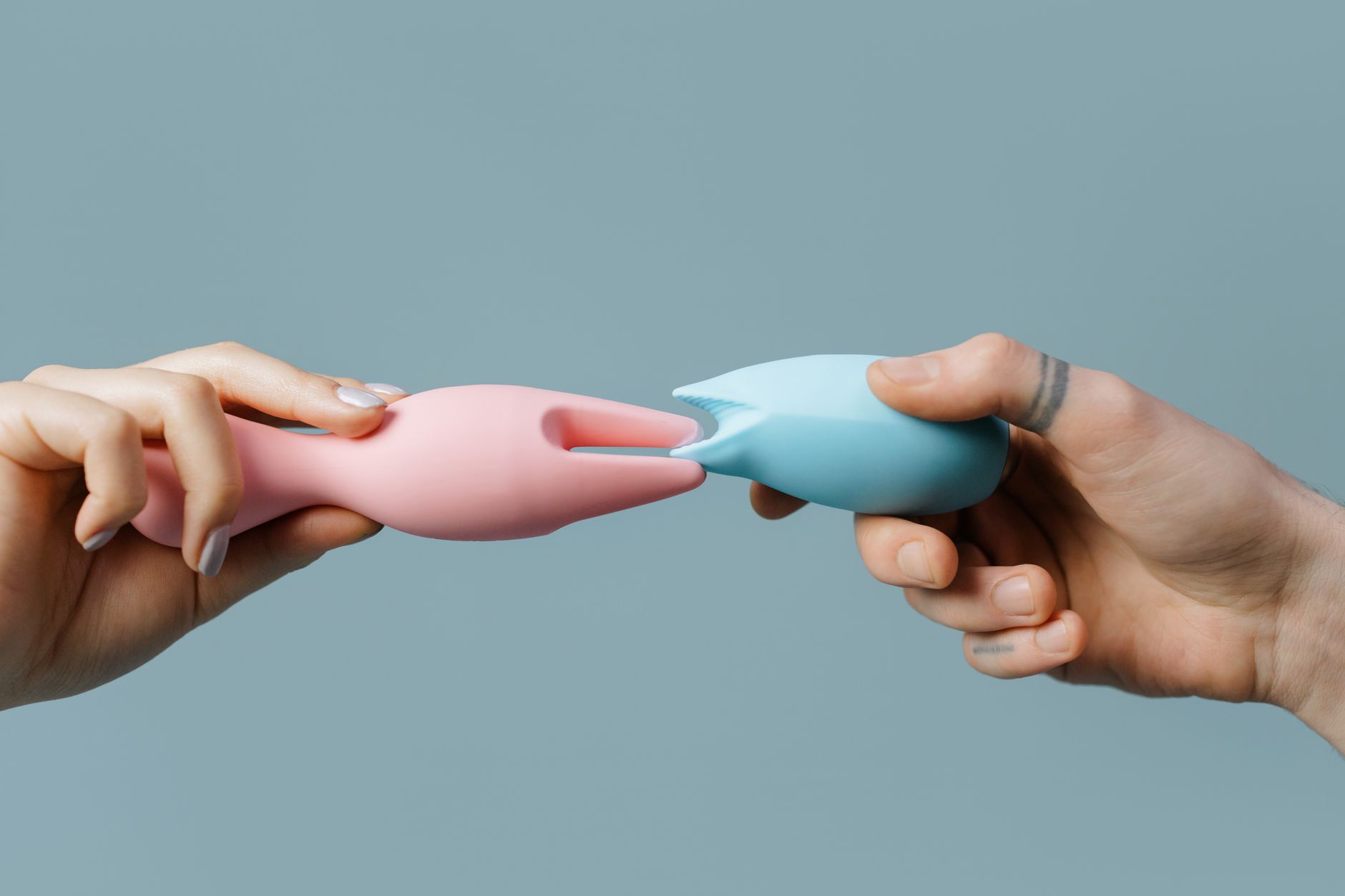
Photo by cottonbro studio on Pexels
The emotional side nobody mentions
Postpartum pleasure isn't just physical. Your brain is also processing a massive life change, hormonal chaos, and the weight of keeping a human alive. Many partners report that pleasure feels impossible because anxiety is sitting on top of desire.
If this is you, using lemon vibrators isn't about forcing orgasms. It's about slowly reconnecting your brain to the idea that your body can feel good. Starting with ten minutes of gentle stimulation, zero pressure to climax, teaches your nervous system that sensation and safety can coexist. That's the actual goal early on.
If you have a partner, one conversation helps: "I'm relearning my body right now. I need solo time to do this without pressure. It's not about you. It's about me building confidence again." Most partners get this once it's named directly.
When sensation still isn't back after three months
If you're three months postpartum, cleared by your doctor, and sensation is still muted or absent, here's what to explore:
Pelvic floor physical therapy. A specialized physical therapist can assess whether weakness or tension is blocking sensation. Sometimes the issue isn't healing. It's that your pelvic floor is holding tension so hard that signals can't travel properly. Six to eight sessions often make a massive difference.
Addressing breastfeeding hormones. Talk to your doctor about whether a temporary estrogen topical could help. Just because you're nursing doesn't mean you can't use a low-dose vaginal cream to improve tissue thickness and sensation while you're healing.
Checking your mental health. Postpartum depression and anxiety are common and real. They numb sensation and make pleasure feel impossible. If you're struggling with mood, energy, or intrusive thoughts alongside the numbness, talk to your OB or a therapist. Treating depression often restores sensation faster than anything else.
Rebuilding sensation: a longer conversation
Postpartum numbness can last months. Rebuilding sensation is slower than you want it to be. But it does come back. Many people find that their postpartum sensation, once it returns, is different and richer than before birth. The pelvic floor has more awareness. Arousal feels more grounded. You know your body's limits now.
Using lemon vibrators through this phase isn't rushing anything. It's staying in relationship with your own pleasure while your body heals. That matters.
People also ask
How soon after birth can you use any vibrator?
External vibrators on the vulva are generally safe around six to eight weeks postpartum if you had an uncomplicated vaginal birth and your healthcare provider clears you. Start with the lowest intensity. If you had significant tearing, episiotomy, or a cesarean, wait longer and ask your provider directly. There's no universal timeline. Your birth story matters.
Can using a lemon clitoral vibrator delay postpartum healing?
No, not if you're cleared by your provider and you're using it externally on the vulva. You're not putting pressure on the perineum or vaginal entrance where tearing happened. Suction vibrators actually put less mechanical stress on healing tissue than traditional vibrators because they don't rely on friction. That said, if any sensation causes pain, stop and check with your doctor.
Is it normal to feel nothing when using a vibrator postpartum?
Completely normal, especially in the first eight to twelve weeks. Your nerves are healing, your hormones are chaotic, and your attention is fractured by newborn care. Numbness doesn't mean you're broken or that sensation won't return. It means your body is in recovery mode. Be patient with this phase. Sensation comes back gradually.
Should you tell your partner you're using lemon vibrators while recovering?
That's your choice. Some partners appreciate the honesty and find it reassuring that you're actively healing. Some couples use it as a reconnection activity once you're further along in recovery. The key: don't feel obligated to share unless you want to. This phase of healing is about you rebuilding trust in your own body first.
Can you use lemon vibrators while breastfeeding?
Yes. Breastfeeding hormones suppress estrogen, which can reduce sensation, but they don't make vibrators unsafe. If you find sensation is particularly muted while nursing, talk to your doctor about whether a temporary topical estrogen might help. But you don't have to choose between nursing and pleasure. You can explore both.
What if orgasms feel different after birth?
They will. Postpartum orgasms often feel shallower, more scattered, or take longer to build. This usually improves as pelvic floor strength returns (usually by six months). Pelvic floor physical therapy speeds this up significantly. In the meantime, clitoral vibrators with suction stimulate deeper nerve clusters, which can help orgasms feel more concentrated and satisfying than friction-based stimulation does.
Your postpartum body is still yours
Recovery from birth is long and nonlinear. Sensation changes, pelvic floor function shifts, and your relationship with pleasure gets complicated by exhaustion and hormones. Using lemon vibrators through this phase isn't rushing anything. It's staying in conversation with your body while it heals. That matters more than you think. If you have questions about what's normal or when to start, your healthcare provider is the right person to ask. For everything else, patience and gentle exploration do the real work. Your pleasure will come back. It just takes time.