Let's talk about what infidelity actually does to your body
Infidelity doesn't kill desire. It kills safety. Your nervous system is now hypervigilant, scanning for threat even in moments that should feel good. Sex becomes a minefield of triggers. You might feel disconnected from pleasure altogether, or you might swing between wanting to reclaim ownership of your sexuality and feeling too raw to be touched at all. Both are completely normal.
Here's what I see in my practice: people rebuilding after infidelity often assume pleasure has to wait until trust is fully repaired. It doesn't. In fact, reclaiming your pleasure independently can be part of healing. Solo exploration with a lemon vibrator isn't avoidance. It's a way of saying to yourself, "My pleasure is mine, and nobody gets to take that from me."
Why solo pleasure matters more than you think right now
When infidelity happens, pleasure becomes entangled with betrayal. If you were intimate before the breach, that sex now carries the weight of deception. If you weren't, there's guilt and shame around your own body. Either way, your nervous system has learned that physical intimacy equals potential pain.
Solo pleasure with a tool like a lemon clitoral vibrator does something crucial: it separates pleasure from relationship dynamics. For weeks or months, you get to experience orgasm without the emotional complexity. You get to remember that your body is yours first. This isn't selfish. This is foundational.
Many people find that solo exploration helps them move through anger faster than talk therapy alone. When you're touching yourself, you're literally in control. You decide the speed, the pressure, when to pause, when to stop. That agency matters when everything else feels like it's been taken from you.
Starting solo: the foundation of rebuilding
If you're going this route, here's what I recommend:
Pick a time when you're alone and there's no pressure. Not "I have 20 minutes before my partner gets home" but genuinely private time. Your nervous system needs to know it's actually safe before it will relax into pleasure.
Start without the vibrator. Spend two or three sessions just touching yourself the way you used to, before everything happened. Notice what feels good. Notice what triggers you. Your job isn't to reach orgasm. Your job is to gather information about your own body right now.
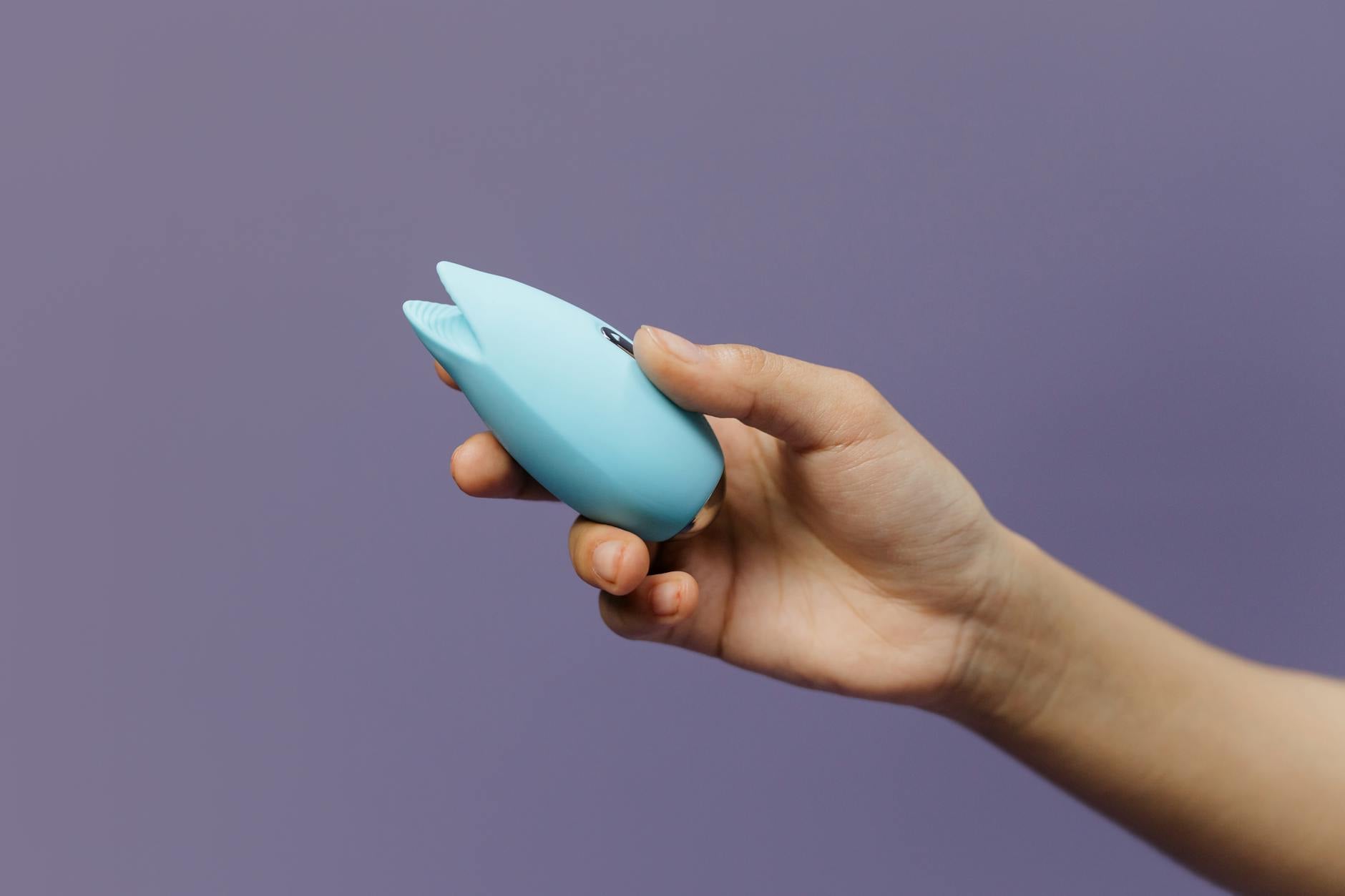
When you're ready for the lemon vibrator, begin on the lowest setting. Don't aim for orgasm immediately. Spend time noticing sensation. A lemon clitoral vibrator works through suction and pulsing, which feels fundamentally different from your fingers or a partner's touch. Let your body adjust to that difference without pressure.
Many people report that the sensation of a lemon sucker device feels less loaded than penetrative sex. There's something about the specificity of clitoral stimulation that bypasses some of the trauma response. You're not replicating the intimacy that was violated. You're building something new.
When you're ready to include your partner
This is where communication becomes everything. Before you bring a lemon vibrator into partnered sex, you both need to understand what it means to you. For some people, it's a tool to help rebuild pleasure together. For others, it's a boundary. "I want to keep solo time with the vibrator, and we can explore other things together." Both are valid.
The conversation might sound like: "I've been using this to reconnect with my body. I want to try it with you because I trust you, but I need to move slowly." Notice what that sentence does. It centers your agency. It gives permission, conditionally and clearly.
When you do bring it into partnered time, you might start by using it while your partner is present but not involved. You're showing them your pleasure. You're not trying to perform or reach a specific outcome. Your partner's job is to be present, supportive, and okay with whatever happens. If it triggers you, you stop. If it feels good, you keep going. You're in charge.
Some couples find that using a lemon clitoral vibrator together helps rebuild trust faster than anything else. There's something vulnerable about saying, "Here's what makes me feel good," and being met with genuine interest rather than judgment. If your partner can witness your pleasure without making it about them, that's a healing moment.
The difference between pleasure and intimacy right now
I need to be clear about something: using a lemon vibrator won't fix the broken trust in your relationship. That takes time, therapy, sometimes couples counseling. What a vibrator can do is separate your sexuality from the trauma. You get to feel good without it being tangled up in what happened.
Intimacy will rebuild slowly. It rebuilds through consistent truth, through your partner showing up, through both of you being willing to be uncomfortable. Pleasure can come back faster than that. They're not the same thing, and it's okay if pleasure returns before you feel safe again emotionally.
Some days, the lemon vibrator will feel like an act of reclamation. Some days it will feel triggering and you'll need to stop. Both responses mean your nervous system is working correctly. You're safe enough to feel, and feeling might include anger or grief or numbness before it includes pleasure again.
The practical part: how to actually use a lemon vibrator during this time
A lemon clitoral vibrator is designed for direct stimulation. Start at the lowest pulsing pattern and let yourself adjust. Because your nervous system is heightened right now, you might find that you need more gentle warm-up time than before. That's not weakness. That's your body protecting itself.
Use water-based lubricant even if you don't think you need it. Emotional stress reduces natural lubrication, and using lube removes friction that might feel uncomfortable. This isn't about sexual dysfunction. It's about removing barriers to pleasure during an already complicated time.
After you use the lemon vibrator, notice how you feel. Not "did I orgasm" but "do I feel more connected to my body right now?" Do you feel angry? Sad? Powerful? Numb? All of these are data points. You're learning how your nervous system responds to different kinds of stimulation while you're processing betrayal.
If you orgasm, great. If you don't, that's also completely fine. The goal right now isn't performance. The goal is gentle reclamation of your sexuality as something that belongs to you.
When to get additional support
If using a vibrator consistently brings up panic, shame, or flashbacks, that's a sign you need to talk to a therapist who specializes in sexual trauma or betrayal. You can still use the lemon vibrator eventually. Right now you might just need some support before that's accessible.
If your partner is unwilling to support your solo pleasure or makes it about themselves ("Are you replacing me?"), that's a separate concern that's worth exploring with a couples therapist. A partner who can't tolerate your autonomy and pleasure isn't actually rebuilding trust. They're looking for reassurance instead of doing the work of repair.
If the infidelity has killed desire completely and that doesn't shift after a few months of solo exploration, that might be worth discussing with a doctor. Sometimes the stress of betrayal affects hormones or medications in ways that suppress libido. A lemon clitoral vibrator can't fix that alone.
The long view
Rebuild at your own pace. Some people feel ready to have partnered sex again in months. Others need a year or more. Some couples come back stronger. Some don't. None of that timeline changes the validity of reclaiming your pleasure right now, in whatever form feels safe.
A lemon vibrator is just a tool. But tools can be powerful when they help you remember that your body is yours, that pleasure is yours, and that infidelity is something that happened to you, not something that happened to your sexuality.
People also ask
Is it normal to feel numb or disconnected when using a vibrator after infidelity?
Completely normal. Your nervous system is in protection mode. Numbness is sometimes how we survive. As you process what happened and build safety back in, sensation often returns. If numbness persists for months even with the vibrator, that might be worth discussing with a therapist or doctor. Lemon sexual toys can help, but they're not a substitute for professional support if trauma responses are intense.
Should I tell my partner I'm using a lemon vibrator for solo pleasure?
That depends on your relationship dynamics and what you need. Some people keep it private as a form of reclaiming autonomy. Others find that transparency actually rebuilds trust faster. There's no wrong answer. What matters is that you're not doing it in secret because you're ashamed. You're doing it because it's healthy for you.
Can using lemon clitoral vibrators help my partner understand what I like sexually?
Yes, actually. If you use a lemon vibrator during partnered time, your partner gets to see directly what sensations bring you pleasure. They can learn your body's responses. Just make sure it's not about proving something or performing. It's about inviting them into your pleasure, not demanding they fix things.
How long should I wait after infidelity before using a vibrator with my partner?
There's no timeline. Solo exploration can start whenever you feel safe enough. Partnered use with a lemon vibrator can happen when you both agree you're ready. That might be weeks or months after the infidelity was discovered. What matters is honest communication about what you each need. If your partner pushes for it before you're ready, that's worth noting.
What if using a lemon vibrator feels too triggering right now?
Then don't use one right now. There's no rush. Your body will tell you when it's ready to explore pleasure again. Some people find that waiting a few months helps. Others benefit from working with a trauma-informed therapist before reintroducing vibrators. Listen to what your nervous system is telling you.
Can a lemon clitoral vibrator help if my partner and I want to rebuild sexual connection?
It can be part of rebuilding, but it's not the main ingredient. Trust rebuilds through consistent behavior, through your partner being honest and accountable, through both of you being vulnerable. A vibrator can help you reclaim pleasure and feel more present during sex, but it can't repair the breach of trust by itself. Couples therapy is usually the better investment.