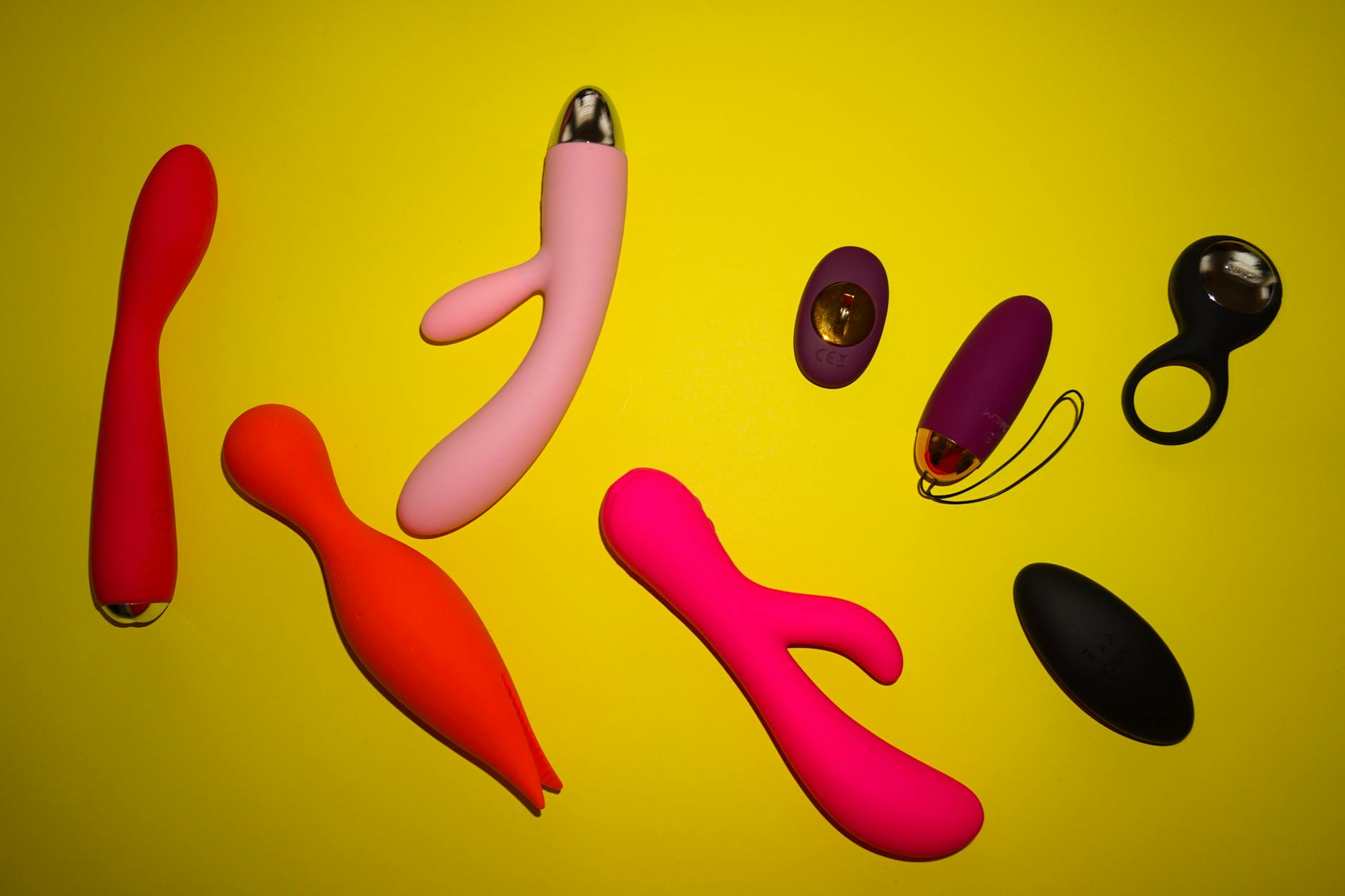
Let's talk about what actually changes
Your clitoral sensitivity isn't a fixed setting. It's a dial, and it moves. Sometimes it moves because you're aging. Sometimes because of hormones, medications, stress, or just the accumulated wear of living. The part nobody explains clearly is this: a changing sensitivity threshold doesn't mean your pleasure is dying. It means you need different information to trigger the same response.
Here's the thing that matters: most people mistake a shifting threshold for a broken system. They're not the same.
Why sensitivity shifts (and it's not always what you think)
There are three main reasons your clitoral sensitivity changes over time, and only one of them is unavoidable.
The hormonal story. Estrogen, testosterone, and progesterone all influence nerve density, blood flow, and how quickly signals travel. When these drop or fluctuate, your baseline sensitivity moves. This happens in menopause, after childbirth, on certain birth controls, and sometimes for no obvious reason at all. This one you can't prevent, but you can adapt to it.
The nervous system story. Chronic stress literally dulls sensation. When you're running on cortisol and adrenaline, your parasympathetic nervous system (the one that has to be online for pleasure) is sidelined. Your clitoris is still there. Your nerve endings are still there. But the message isn't getting through clearly. This one is reversible, but it takes more than relaxation apps.
The desensitization story. This is the one everyone's scared to say out loud. If you've been using the same type of stimulation for years, your nerve endings adapt. You need more intensity, more variation, or a different type of touch altogether to get the same response. It's not dysfunction. It's neuroplasticity. Your body is doing exactly what it's supposed to do. It's just doing it in a direction you didn't plan for.
How clitoral vibrators change the equation
Okay so here's where air-suction clitoral vibrators actually shine. They work differently than traditional vibrators, and that difference matters when your sensitivity is shifting.
Traditional vibrators stimulate through direct oscillation. The motor vibrates side to side or up and down at a set frequency. Air-suction vibrators (like the Lem) stimulate through gentle suction and micro-pulses. It's closer to how lips and tongue create sensation. That distinction matters because:
If your threshold has gone up, you might assume you need more intensity. Wrong direction. You often need a different kind of intensity. Suction engages deeper nerve clusters and creates a chain reaction of sensation that direct vibration sometimes misses. It's not about power. It's about the type of message your nervous system receives.
If your threshold has gone down and direct touch feels too intense, suction lets you control the sensation without changing the tool. You can start with the gentlest setting and build from there. The Lem runs at multiple intensities, so you're not locked into one experience.
If you're dealing with desensitization, the novelty of a different stimulation type (suction instead of vibration, or vice versa) can reset your nerve response. Not permanently. But enough to unlock sensation that felt numb five minutes ago.
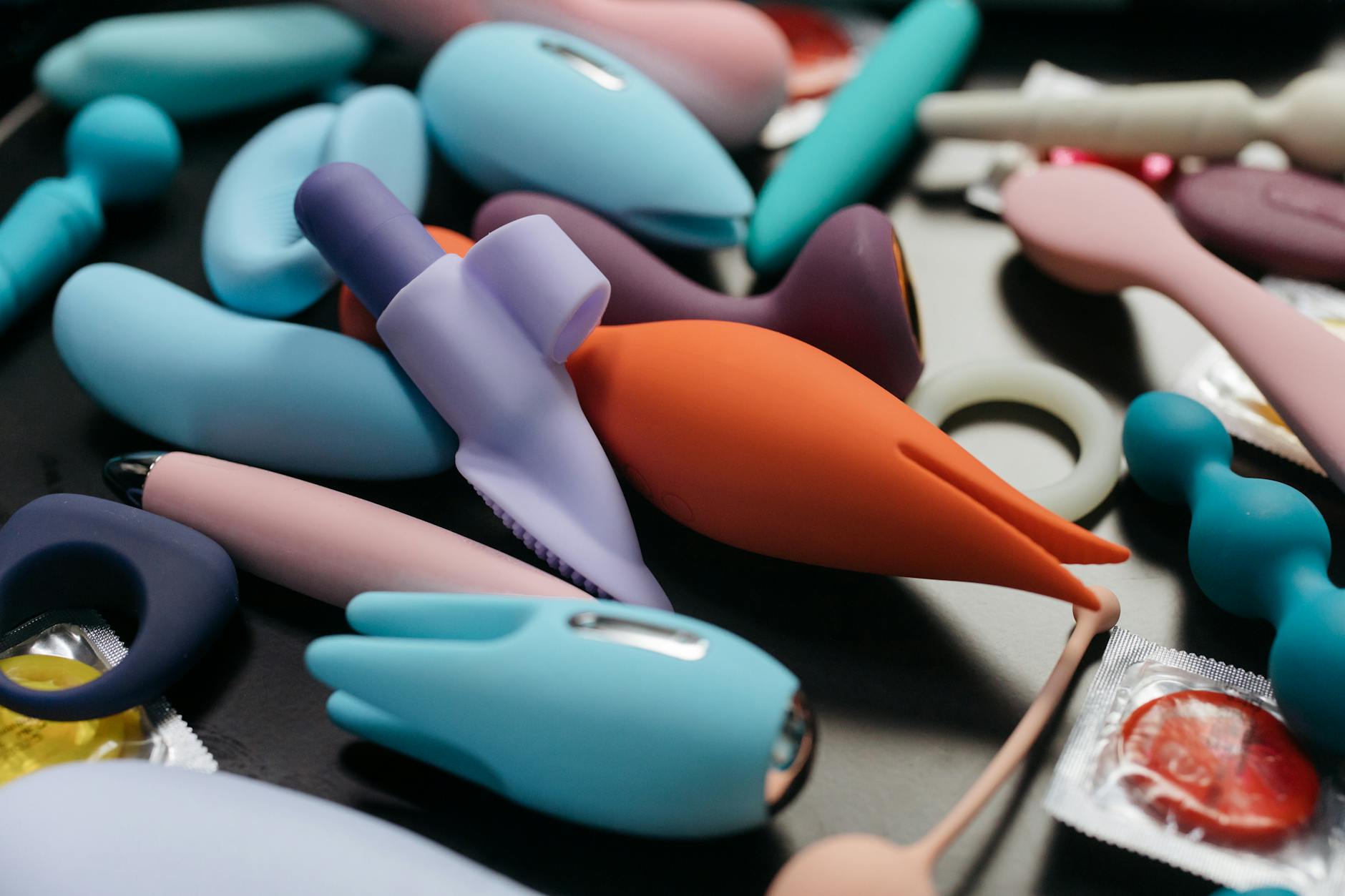
Photo by cottonbro studio on Pexels
The practical reset: how to recalibrate
If your sensitivity has shifted and you're frustrated, here's what I tell people. You're not starting from zero. You're starting from new information.
First, stop assuming the same routine will work. It won't. Take a week (honestly, take a month if you can) and explore sensation without goal. Not "I want to orgasm." Just "What actually feels good right now?" No scoring. No judgment. That's where the data lives.
Second, introduce variation. If you've only ever used one type of stimulation, your nervous system has adapted to it. Introduce something different. That could be a new toy type, a different speed pattern, a change in pressure, or changing when in your cycle you're practicing pleasure. The novelty is the reset button.
Third, slow down. If your threshold has shifted, speeding up isn't the answer. Slow, sustained pressure often unlocks sensation that quick, intense stimulation misses. You're not racing toward anything. You're listening to what your body is telling you.
If you're experiencing numbing from stress or medications, this gets more nuanced. Talk to your doctor about whether the medication is negotiable. Sometimes it is, sometimes it isn't. But if sensation is genuinely flatlined, that's worth professional attention.
Why your partner needs to understand this
Let's be direct: if you're in a relationship and your sensitivity has shifted, your partner might take it personally. "You used to respond faster," or "You're not as into this anymore." Neither of those things is necessarily true. Your system just needs different input now.
The kindest thing you can do is explain it clearly. "My sensitivity is different right now. That doesn't mean I want you less. It means I need different types of touch to feel it. Can we explore that together?" And then actually explore it.
If your partner is open to it, bringing a lemon clitoral vibrator into partnered sex changes the dynamic. It's not a replacement for your partner. It's additional information. It lets you experience sensation you might not be able to access through touch alone right now. And paradoxically, that often makes partnered sex feel more connected, not less, because you're both engaged in figuring out what works.
When to suspect something beyond the threshold
There's a difference between "my sensitivity has shifted" and "I feel nothing." If you're in the second camp, that's worth investigating.
Numbing can signal depression, anxiety, burnout, hormonal disruption, medication side effects, or pelvic floor dysfunction. It can also signal that you're touched out, resentful, or genuinely not interested in sex right now. All of those are different problems with different solutions.
A good starting place is talking to your doctor. Not "I can't feel pleasure" (which sounds like a sex problem), but "My sensation has flattened. I'm concerned about circulation, hormones, or medication effects." They might run labs. They might refer you to a pelvic floor specialist. They might ask about your stress and sleep. That diagnostic process matters more than jumping to a toy.
Once you've ruled out the medical piece, therapy (specifically somatic therapy or sex therapy) can help reset your nervous system. That's not instead of a vibrator. It's in addition to it. The vibrator is a tool. The nervous system work is the infrastructure.
The mindset shift that actually helps
Here's what I've seen shift pleasure for people more than anything else: reframing sensitivity changes as information, not failure.
Your body isn't betraying you. It's telling you something changed. Maybe you need a different rhythm. Maybe you need more foreplay. Maybe you need to address stress first. Maybe you need the novelty of a new sensation type. Maybe all of the above.
The people who recover the most pleasure after a sensitivity shift are the ones who treat it like a puzzle to solve, not a loss to mourn. You get to experiment. You get to try new things. You get to be curious about what works now instead of locked into what used to work.
And honestly? That curiosity often unlocks deeper pleasure than routine ever could.
People also ask
Why does my clitoral sensitivity feel duller after stress?
Stress keeps your sympathetic nervous system activated (that's your fight-or-flight response). Your parasympathetic nervous system, the one that has to be online for pleasure and arousal, gets sidelined. When you're in that state, your clitoris receives the signal just fine. Your brain doesn't process it as pleasure. It processes it as noise. The solution isn't pushing harder. It's actually downregulating your nervous system through slower breathing, movement, or therapy.
Can birth control change how sensitive my clitoris feels?
Absolutely. Hormonal birth control shifts estrogen and testosterone levels. Some people feel more sensation on certain pills or IUDs. Others feel less. If you suspect your birth control is affecting sensation, don't just quit it. Talk to your doctor about switching the type or dose. Sometimes a different formulation makes all the difference.
Is it normal for sensitivity to change after 40?
Completely normal. Hormones shift, stress accumulates, and your nervous system has decades of adaptation built in. That doesn't mean pleasure is over. It often means pleasure just needs different conditions. People often report their most satisfying experiences happen in their 40s and 50s, after they've figured out what their body actually needs.
What if lemon clitoral vibrators feel too intense after my sensitivity dropped?
Start at the lowest setting and work up. The Lem has multiple patterns, so you can find what resonates with your current threshold. Or use it with clothing between you and the toy to soften intensity. The point is to gather information, not force sensation. If even the gentlest setting feels jarring, that might signal something else is going on. Stress, medication effects, or pelvic floor tension can all make stimulation feel uncomfortable instead of pleasurable.
How long does it take to recalibrate sensitivity?
It depends on what shifted it. If it's hormonal, recalibration might take weeks or months as you experiment with what works. If it's stress, you might feel a shift in a few days once your nervous system downregulates. If it's desensitization from repetition, introducing novelty can reset sensation within days. The key is consistency and patience. You're not forcing change. You're allowing your body to show you what it needs.
Can I use a clitoral vibrator if my sensitivity is heightened instead of lowered?
Yes, but differently. If you're experiencing heightened sensitivity (sometimes from hormonal shifts, sometimes from anxiety), you might start with the gentlest patterns and shortest duration. The Lem's suction approach is often gentler than traditional vibration, which makes it a good choice for heightened sensitivity. You're learning your new baseline, same as if sensitivity dropped.
The bottom line
Your sensitivity is not a character flaw. It's information. When it shifts, you're not broken. You're adapting. The right tools, the right information, and genuine curiosity about what your body needs now can unlock pleasure that feels deeper than routine ever was.
If you're ready to explore what works now, we're here to help. Or if you want to keep learning, check out how clitoral sensitivity changes with birth control and why arousal feels slower as we age. Same body. Different information. Better pleasure.